


+62 811-1300-9840


Contact Dermatitis: When the Skin Reacts to Soap, Cosmetics, or Metals
21 May 2026
3 min read


By: dr. Rinadewi Astriningrum, Sp.DVE(K), Subsp.D.A
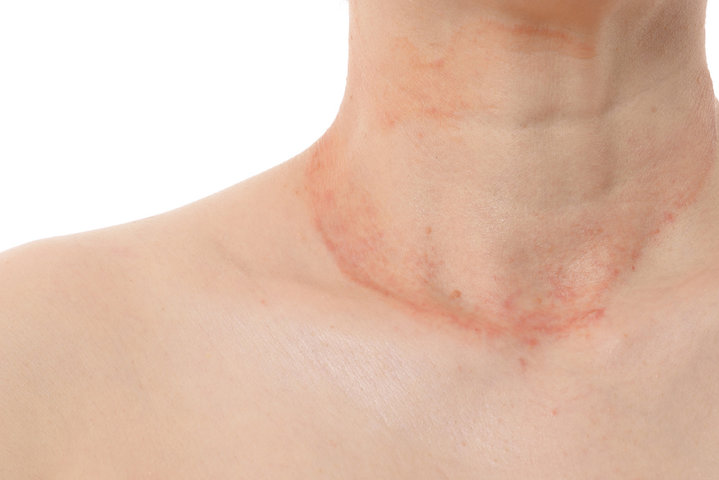
Have you ever experienced sudden itching, redness, or a rash after using a new soap, certain cosmetics, or wearing jewelry? This condition could be contact dermatitis, an inflammation of the skin that occurs when the skin comes into contact with a substance that triggers irritation or an allergic reaction.
Contact dermatitis is a fairly common skin condition that can affect anyone. Although generally harmless, this condition can cause discomfort and disrupt daily activities if not treated properly.
What is Contact Dermatitis?
Contact dermatitis is an inflammatory skin condition that occurs when the skin comes into direct contact with a substance that causes irritation or an allergic reaction. Generally, contact dermatitis is divided into two main types:
- Irritant Contact Dermatitis: This type occurs when the skin becomes irritated, i.e., the skin barrier is damaged by exposure to certain substances, such as soaps with a high pH or abrasives, detergents, cleaning fluids, or chemicals.
- Allergic Contact Dermatitis: This occurs when the immune system reacts to certain substances it perceives as allergens, such as metals in jewelry, perfumes, cosmetics, or certain ingredients in skincare products. The substances that trigger allergic contact dermatitis vary from person to person; only sensitized individuals will experience allergic contact dermatitis.
Causes of Contact Dermatitis
Various objects used daily can trigger contact dermatitis. Some common causes include:
- Soaps or detergents with a high pH and abrasive properties
- Certain cosmetics and skincare products
- Metal jewelry, especially those containing nickel
- Perfumes or fragrances in personal care products
- Household cleaning products
- Latex gloves
- Certain chemicals in the workplace
Contact Dermatitis Symptoms to Recognize
Symptoms of contact dermatitis can vary from person to person, depending on skin type and sensitivity. Some common signs include:
- Redness of the skin
- Itching or burning sensation
- Dry and scaly skin
- A rash or rash appears
- Swelling of certain areas of the skin
- In some cases, small blisters may appear.
How to Treat Contact Dermatitis
- Avoid triggers
- Cleanse the skin area
- Repair the skin barrier by using moisturizer
- Use medication as directed by your doctor
How to Prevent Contact Dermatitis
Several simple steps can help reduce the risk of contact dermatitis, including:
- Choose skincare products that are gentle and suitable for your skin type.
- Avoid products with fragrances or harsh chemicals if you have sensitive skin.
- Wear protective gloves when using household cleaners.
- Pay attention to skin reactions when trying new products.
- Avoid wearing jewelry that triggers allergies.
By identifying triggers, such as irritants or allergens, and avoiding them, most cases of contact dermatitis can be successfully managed. If symptoms persist or worsen, it's best to consult a dermatologist for appropriate treatment.
FAQ
Is contact dermatitis contagious?
No. Contact dermatitis is not contagious because it's caused by a skin reaction to certain substances.
How long does it take for contact dermatitis to heal?
Generally, symptoms improve within a few days to a few weeks after the trigger is avoided and appropriate treatment is received.
Can cosmetics cause contact dermatitis?
Yes. Some ingredients in cosmetics, such as perfumes, preservatives, or dyes, can trigger allergic reactions in some people.
Contact us
For information and make an appointment

dr. Rinadewi Astriningrum, Sp.DVE(K), Subsp.D.A
Dermatology Venereology and Aesthetic View Schedule| Loading data... |
|---|


