+62 811-1300-9840


Understanding Neuroplasticity and the Role of Medical Rehabilitation for Stroke Patients
08 June 2026
4 min read


By: dr. Ariani Putri Devanti, Sp.N
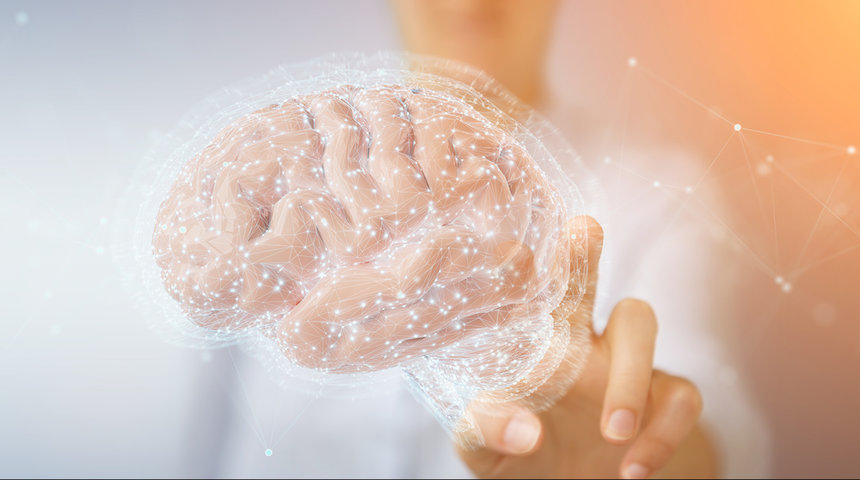
Stroke remains one of the most common causes of long-term disability. Many patients and their families believe that once brain cells are damaged by a stroke, the condition is irreversible. As a result, many stroke survivors lose hope of ever returning to their daily activities.
However, although dead brain cells cannot be revived, the brain has a remarkable ability to adapt and form new neural pathways to gradually restore impaired function. This ability is known as neuroplasticity.
With proper treatment, consistent medical rehabilitation, and family support, the stroke recovery process can continue even years after the stroke.
What is Neuroplasticity?
Neuroplasticity is the brain's ability to adapt, form new connections, and redirect certain functions to healthy areas of the brain after damage occurs.
In stroke patients, some brain cells can be permanently damaged due to impaired blood flow to the brain. However, healthy areas of the brain can learn to take over some of the functions previously performed by the damaged areas.
This is why many stroke patients still have the opportunity to experience improvements in their ability to move, speak, and perform daily activities through targeted rehabilitation programs.
Is it true that brain cells that die due to stroke can be revived?
No.
Brain cells that die due to stroke cannot be revived. The damage to brain tissue is permanent.
However, this does not mean that recovery is impossible. The brain has the ability of neuroplasticity, which allows healthy brain cells to adapt and help take over some of the lost functions.
Therefore, the focus of post-stroke therapy is not reviving dead cells, but rather maximizing the ability of the remaining healthy brain to adapt.
Why is Medical Rehabilitation So Important After a Stroke?
Many people still believe that stroke can be cured instantly by simply taking herbal remedies or certain therapies.
In fact, stroke recovery requires a comprehensive approach.
In addition to medication prescribed by a doctor, patients also require regular and ongoing medical rehabilitation to retrain impaired body functions.
Rehabilitation programs can help:
- Improving walking and mobility skills
- Training body balance
- Improving speech and swallowing skills
- Helping patients return to daily activities independently
- Optimizing the brain's neuroplasticity process
The earlier rehabilitation begins and the more consistently it is carried out, the greater the patient's chance of achieving optimal results.
Factors That Can Hinder Stroke Recovery
The stroke recovery process is influenced not only by the patient's physical condition, but also by their psychological state.
Stress, anxiety, and depression can hinder the rehabilitation process by affecting their motivation, enthusiasm for training, and overall quality of life.
Therefore, support from family and loved ones plays a crucial role during the recovery period.
A supportive environment can help patients stay motivated to undergo therapy and maintain enthusiasm for the long-term recovery process.
Is Stroke Recovery Still Possible After One Year?
Yes, it is possible.
Many people assume that improvement after a stroke only occurs in the first few months after the stroke. However, recovery can continue even after a year or more.
Each patient's recovery journey is different, depending on the location and severity of the stroke, their general health, and the consistency of therapy.
Therefore, patients are not advised to give up just because improvements seem slow. Regular evaluations and ongoing rehabilitation still have benefits in improving body function and quality of life.
Stroke Rehabilitation Program at Premier Jatinegara Hospital
At Premier Jatinegara Hospital, stroke patients are treated in a multidisciplinary manner to help them achieve optimal recovery.
- Consultation with a Neurologist
The doctor will evaluate the patient's neurological condition, assess ongoing symptoms, and determine the necessary rehabilitation needs. - Developing a Rehabilitation Program
The medical rehabilitation team will develop a therapy program tailored to each patient's condition and recovery goals. - Gradual Therapy Implementation
Patients undergo therapy as needed to help improve motor function, balance, coordination, and daily activities. - Regular Evaluation
The patient's progress is monitored regularly to assess the results of the therapy and adjust the program if necessary. - Long-Term Support
Patients and their families receive education on follow-up exercises and strategies for maintaining therapy results at home.
When Should You Consult a Doctor?
Consult a doctor immediately if:
- Recent stroke or stroke recovery
- Experiencing limb weakness after stroke
- Experiencing speech, swallowing, or balance problems
- Perceiving slow recovery progress
- Needing a targeted and measurable rehabilitation program
The sooner rehabilitation begins, the greater the chance of achieving optimal results.
Don't Give Up on Stroke Recovery
Although brain cells damaged by stroke cannot be revived, there is still hope for improved function through neuroplasticity and proper medical rehabilitation.
If you or your family are recovering from a stroke, don't hesitate to consult with Dr. Ariani Putri Devanti, Sp.N., and the neurology team at Premier Jatinegara Hospital.
Our team is ready to help you develop a recovery program tailored to your needs so you can restore your quality of life to its optimal state.
FAQ
Can brain cells that die from a stroke be revived?
No. Dead brain cells cannot be revived, but the brain still has the neuroplastic ability to adapt.
Can a stroke be cured with herbal remedies alone?
No. Stroke recovery requires a doctor's evaluation, appropriate treatment, and consistent medical rehabilitation.
Why is medical rehabilitation important after a stroke?
Because rehabilitation helps retrain impaired body functions and optimizes the brain's ability to adapt.
Is stroke recovery still possible after one year?
Yes. Functional improvements can still occur even after one year, especially if the patient continues consistent therapy.
Contact us
For information and make an appointment

| Loading data... |
|---|