


+62 811-1300-9840


Understanding Eye Tumors: Types, Symptoms, and Treatments
04 March 2026
3 min read


By: dr. Tetty Atasti Solihin Usman, Sp.M(K)
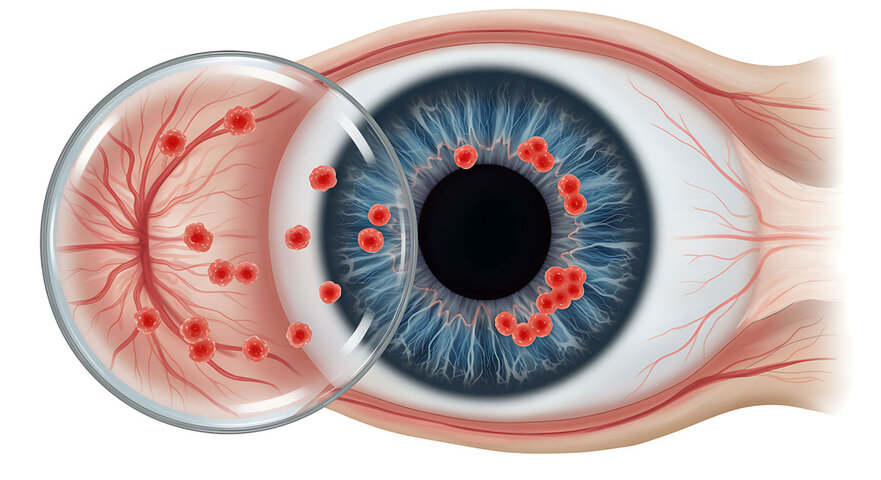
Eye tumors are medical conditions that occur due to the abnormal growth of cells in the eye area or surrounding tissues. Although relatively rare, eye tumors need to be recognized early because they may affect vision function and can even be life-threatening if not treated properly.
What Are Eye Tumors?
Eye tumors are abnormal tissue growths that may be benign (non-cancerous) or malignant (cancerous). These tumors can appear in various parts of the eye, such as the eyeball, eyelids, optic nerve, and supporting tissues. Benign tumors generally grow slowly and do not spread, while malignant tumors may develop aggressively and potentially spread to other organs.
Types of Eye Tumors
Intraocular Tumors
Tumors that grow inside the eyeball, such as uveal melanoma and retinoblastoma (more common in children).
Adnexal Eye Tumors
Tumors that develop around the eye, including the eyelids, tear glands, and eye sockets.
Benign Eye Tumors
Examples include nevi (moles on the eye) and hemangiomas. They are generally not dangerous but still require monitoring.
Malignant Eye Tumors
These include ocular melanoma and squamous cell carcinoma of the eyelids, which require immediate medical treatment.
Symptoms of Eye Tumors to Watch Out For
- Blurred or gradually decreasing vision
- Appearance of shadows or dark spots in vision
- Changes in the color of parts of the eye
- Eye pain or discomfort
- Protruding eyes
- Swollen eyelids or persistent lumps
In children, symptoms such as a white reflection in the eye when exposed to light (leukocoria) should be taken seriously.
Causes and Risk Factors
- Excessive ultraviolet (UV) exposure
- Genetic or hereditary factors
- Weakened immune system
- History of certain cancers
Diagnosis of Eye Tumors
To confirm a diagnosis, an ophthalmologist will perform several examinations, such as:
- Comprehensive eye examination
- Eye ultrasound (USG)
- CT scan or MRI
- Tissue examination (biopsy) if necessary
Early detection plays a crucial role in the success of treatment.
Treatment for Eye Tumors
Treatment for eye tumors is adjusted according to the type, size, location, and overall health condition of the patient. Treatment options include:
- Observation for benign tumors that do not cause symptoms
- Surgery to remove tumor tissue
- Radiotherapy to destroy malignant tumor cells
- Chemotherapy, especially in certain cases such as retinoblastoma
- Combination therapy based on recommendations from a specialist
Eye tumors are serious medical conditions that require early medical attention. With early detection and proper treatment, the chances of preserving vision and maintaining quality of life can be improved.
FAQ
Are all eye tumors dangerous?
No. Benign eye tumors generally grow slowly and do not spread. However, both benign and malignant tumors should still be examined by an eye specialist to ensure proper diagnosis and treatment.
Can eye tumors occur in children?
Yes. One of the eye tumors that commonly occurs in children is retinoblastoma. An early sign to watch for is a white reflection in the eye when exposed to light or differences in pupil size.
Can eye tumors be cured?
Many eye tumor cases can be treated successfully, especially when detected early. Treatment success depends on the tumor type, size, location, and the patient’s overall health condition.
Contact us
For information and make an appointment

| Loading data... |
|---|
