+62 811-1300-9840


Does Volcanic Ash Cause Soreness in the Nose and Throat? Here’s What to Do
07 September 2026
3 min read


by: dr. Iman Pradana Maryadi, Sp.THT-KL - Ear, Nose, and Throat (ENT) Specialist – Head and Neck Surgeon
Volcanic eruptions can produce ash that is carried by the wind to areas far from the eruption site. While airborne, volcanic ash particles can be inhaled through the nose or mouth. This exposure can affect not only the lungs but also the upper respiratory tract, such as the nose and throat.

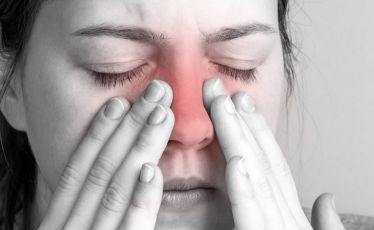
Symptoms such as a stinging, runny, or congested nose, a dry throat, coughing, and discomfort when swallowing can occur after exposure to volcanic ash. So, how does volcanic ash affect the nose and throat, and what should be done?
WHY CAN VOLCANIC ASH IRRITATE THE NOSE AND THROAT?
Volcanic ash consists of tiny particles—fragments of rock, minerals, and other volcanic materials.
When inhaled, some of these particles can adhere to the mucous membranes of the nose and throat. This can trigger irritation in the upper respiratory tract, causing the nose and throat to feel dry, itchy, sore, or uncomfortable.
WHAT SYMPTOMS MAY OCCUR?
Symptoms resulting from volcanic ash exposure vary from person to person, depending on the amount and duration of exposure as well as pre-existing health conditions.
Some symptoms that may arise include:
- Sore or itchy nose
- Runny nose
- Sneezing
- Stuffy nose
- Dry throat
- Itchy or sore throat
- Sore throat
- Dry cough
- Hoarse voice
- Sensation of a lump or discomfort in the throat
For some people, symptoms may improve once exposure to the ash ceases. However, symptoms can be more severe in individuals with sensitive airways or pre-existing health conditions.
CAN VOLCANIC ASH WORSEN RHINITIS OR SINUSITIS SYMPTOMS?
Exposure to high levels of volcanic ash and dust particles can irritate the nasal mucosa and airways. In individuals with pre-existing allergic rhinitis, sinusitis, or other nasal disorders, ash exposure can aggravate symptoms such as nasal congestion, sneezing, runny nose, or discomfort in the nasal and facial areas.
However, it is important to note that symptoms following ash exposure do not necessarily indicate a sinus infection. The cause of the symptoms must still be assessed based on the specific symptoms, duration of the condition, medical history, and a doctor's examination.
WHAT SHOULD BE DONE WHEN EXPOSED TO VOLCANIC ASH?
The following measures can help reduce exposure and maintain comfort in the nose and throat.
- Limit Outdoor Activities
If there is still a significant amount of ash in the air, limit unnecessary outdoor activities. Prolonged exposure to volcanic ash increases the risk of inhaling particles. - Wear a Mask Properly
If you must go outdoors, wear an appropriate mask or respiratory protection.
Using a particulate respirator—such as an N95—correctly and ensuring a tight fit against your face can help reduce the amount of ash particles inhaled. Make sure the mask covers both your nose and mouth effectively. - Avoid Direct Exposure to Ash
When cleaning up ash, use appropriate respiratory protection and avoid cleaning methods that might cause the ash to become airborne again. - Keep Your Nose Clean
After being in an ash-exposed environment, clean your face and the area around your nose. Rinse your nasal passages with a saline solution to help remove ash particles and keep the nasal mucosa moist. - Keep Your Nose and Throat Moist
Stay hydrated and avoid cigarette smoke while exposed to volcanic ash. This helps maintain comfort in the nasal mucosa and throat. - Minimize Ash Entering Your Home
When ash levels are high, keep doors and windows closed to reduce the entry of particles into your home. Stay updated on air quality information and follow instructions from local authorities.
WHO NEEDS TO BE EXTRA CAUTIOUS?
Certain groups are more likely to experience health issues when exposed to volcanic ash, including:
- People with allergic rhinitis
- People with sinusitis or chronic nasal disorders
- People with a history of respiratory tract disorders, such as asthma
- Children
- The elderly
If you are undergoing regular treatment for a specific ENT condition, do not stop or alter your medication without consulting a doctor.
WHEN SHOULD YOU SEE AN ENT SPECIALIST?
Mild symptoms may improve once exposure is reduced. However, you should seek a medical examination if symptoms persist, worsen, or begin to interfere with daily activities.
Pay attention to the following conditions:
- Severe or prolonged nasal congestion
- Worsening pain in the face or sinus area
- Recurrent or persistent nosebleeds
- Severe or persistent sore throat
- Difficulty swallowing
- Persistent hoarseness
- Symptoms accompanied by fever or general physical deterioration
- Difficulty breathing
- Symptoms persisting even after exposure to ash has ceased
- Difficulty breathing or airway obstruction requires immediate medical attention.
FAQ (Frequently Asked Questions)
Can volcanic ash cause a stuffy nose?
Yes. Ash particles can irritate the nasal mucosa and trigger inflammation. This can lead to symptoms such as a runny nose, sneezing, soreness, or nasal congestion.
Why does the throat feel dry after exposure to ash?
Inhaled particles can irritate and dry out the nasal and throat mucosa, causing sensations of dryness, itchiness, or soreness, as well as coughing.
Can volcanic ash worsen sinusitis?
Exposure to dust and particles can aggravate nasal and sinus symptoms, especially in individuals with pre-existing nasal or sinus conditions. Mucosal irritation and inflammation can increase nasal congestion and interfere with natural nasal cleansing functions and sinus drainage. However, symptoms following ash exposure do not necessarily indicate a sinus infection.
Is it okay to rinse the nose after exposure to ash?
Yes, and it can be beneficial. Nasal irrigation with a saline solution can help remove ash particles, thin out mucus, and maintain nasal mucosal moisture. Use a saline solution suitable for nasal irrigation and perform the procedure using the correct technique.
When should I see an ENT specialist?
Consider a medical consultation if symptoms persist or worsen—particularly if nasal congestion or facial pain intensifies, or if you experience recurrent nosebleeds, severe sore throat, difficulty swallowing, persistent hoarseness, or shortness of breath/breathing difficulties.
Contact us
For information and make an appointment

dr. Iman Pradana Maryadi, Sp.THT-KL
Ear, Nose, & Throat (ENT) View Schedule| Loading data... |
|---|