+62 811-1300-9840


BESS Minimal Invasive: A Modern Solution to Lower Back Pain Caused by Pinched Nerves
13 March 2026
3 min read


By: dr. Dimas Rahman Setiawan, Sp.BS, MARS, FTB, FINSS
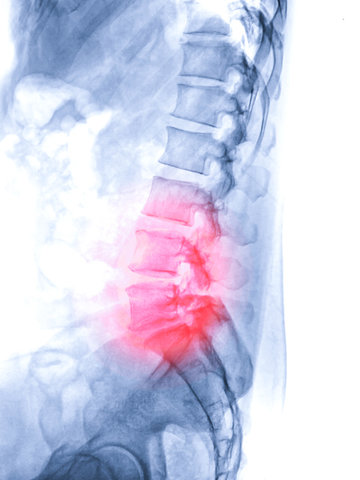
Lower back pain is one of the most common complaints experienced by many people. In some individuals, this pain may feel mild and subside with rest. However, under certain conditions, lower back pain can persist, radiate to the legs, and even interfere with daily activities. One of the frequent causes is a pinched nerve in the spine.
What Is a Pinched Nerve in the Lower Back?
A pinched nerve occurs when a spinal nerve is compressed by surrounding tissues, such as spinal discs, bones, or ligaments. This condition often occurs in the lower back area and can be caused by:
- Disc protrusion or herniation
- Narrowing of the spinal canal
- Degenerative changes due to aging
- Injury or excessive physical activity
Symptoms of a Pinched Nerve to Watch Out For
- Persistent lower back pain
- Pain radiating to the buttocks, thighs, and legs
- Tingling or numbness in the legs
- Weakness in the leg muscles
- Pain that worsens with prolonged sitting, standing, or walking
Understanding BESS (Biportal Endoscopic Spine Surgery)
BESS is a minimally invasive spinal surgery technique that uses two small incisions (biportal) along with an endoscopic camera. Through these incisions, the surgeon can clearly visualize the pinched nerve area and release the pressure with high precision.
This approach allows the procedure to be performed with minimal tissue trauma compared to conventional open surgery.
Advantages of BESS as a Minimally Invasive Procedure
- Small incisions resulting in minimal surgical wounds
- Less muscle tissue damage
- Lower risk of bleeding
- Relatively milder postoperative pain
- Faster recovery time
- Patients can return to activities earlier.
Recovery After BESS
After undergoing BESS, patients can usually start moving faster compared to open surgery. Hospital stays are relatively short, and patients will receive activity guidelines and rehabilitation plans tailored to their condition.
Routine follow‑ups are still needed to ensure optimal recovery.
Lower back pain caused by a pinched nerve can significantly affect quality of life. With advances in medical technology, minimally invasive BESS offers an effective, safe, and faster‑recovery solution. Consulting a spine specialist is essential to determine the most appropriate treatment option based on each patient's condition.
FAQ
Is BESS considered major surgery?
No. BESS is a minimally invasive procedure because it uses small incisions, causes minimal tissue damage, and provides faster recovery compared to open surgery.
How long is the recovery time after BESS?
Recovery is relatively faster. Some patients can move and perform light activities within a short time, depending on their condition and doctor’s evaluation.
Will the pain disappear immediately after BESS?
Pain generally decreases significantly after the compressed nerve is released. However, recovery still requires time and adherence to the doctor’s recommendations.
Contact us
For information and make an appointment

| Loading data... |
|---|