+62 811-1300-9840


Brain Cancer: Recognizing Early Symptoms, Risk Factors, and the Importance of Early Detection
23 July 2026
4 min read


By: dr. Dimas Rahman Setiawan, Sp.BS, MARS
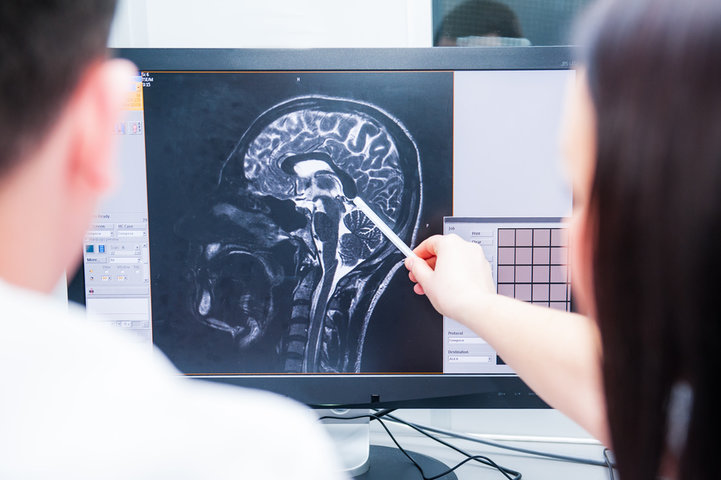
One disease that often causes concern is brain cancer. Many people still believe that brain cancer only affects the elderly or always requires surgery. However, this is not always the case.
Understanding the early symptoms, risk factors, and treatment options can help detect brain cancer early, thus improving the chances of successful therapy.
Is it true that brain cancer only affects the elderly? No.
Brain cancer can occur in anyone, from children to adults. Although the risk increases with age, this disease does not only affect the elderly.
Therefore, everyone needs to recognize the early signs of brain cancer, without considering age as the sole risk factor.
Myths and Facts About Brain Health
There is still a lot of misinformation circulating about brain health. Here are some of them.
Can gadget use damage the brain?
Excessive gadget use can cause nerve disorders or neuropathy due to poor posture and continuous use. However, to date, there is no evidence that gadget use directly causes brain cancer.
Is excessive consumption of MSG dangerous?
Excessive and long-term consumption of MSG can affect brain function. Therefore, it's important to maintain a balanced diet according to the body's needs.
Does the brain stop developing after childhood?
No. The brain possesses neuroplasticity, the ability to form new neural connections throughout life. This ability can be maintained through learning activities, cognitive training, good nutrition, and a healthy lifestyle.
Is it true that the brain shrinks with age?
Yes. Brain volume naturally atrophies in old age. However, this process can be slowed by maintaining a healthy body, exercising regularly, eating nutritious foods, and staying mentally active.
What Is Brain Cancer?
Brain cancer is the growth of malignant cells within brain tissue that can damage surrounding healthy tissue.
Tumor growth can also increase pressure within the head cavity (intracranial pressure), causing various neurological disorders depending on the location of the tumor.
The larger the tumor, the greater the risk of neurological disorders.
Early Symptoms of Brain Cancer to Watch Out For
Symptoms of brain cancer can develop gradually and become more severe as the tumor grows. Some symptoms that need attention include:
- Headaches that are getting worse and more frequent.
- Seizures without a history of seizures.
- Weakness on one side of the body.
- Speech disturbances.
- Vision disturbances.
- Projectile vomiting.
- Decreased level of consciousness.
If these symptoms appear, especially if they are progressive, consult a doctor immediately for further evaluation.
What are the Causes and Risk Factors for Brain Cancer?
The causes of brain cancer are multifactorial, meaning they are influenced by various interrelated factors. Some known risk factors include:
- Exposure to high doses of radiation.
- Exposure to certain chemicals or carcinogens.
- Smoking.
- Excessive consumption of foods high in preservatives or salt.
- Certain immune system disorders.
However, having risk factors does not necessarily mean someone will develop brain cancer. Conversely, brain cancer can also occur in individuals without clear risk factors.
Types of Brain Cancer
Brain cancer is generally divided into two groups.
- Primary Brain Cancer
Is cancer that originates directly from brain tissue, such as glioblastoma or medulloblastoma. - Secondary Brain Cancer (Metastasis)
Is cancer that originates in another organ, such as the lungs, breast, or prostate, and then spreads to the brain.
Determining the type of cancer is crucial because it will influence the treatment options.
How Is Brain Cancer Diagnosed?
Diagnosis is made through several stages of examination.
The doctor will conduct a medical interview regarding the patient's complaints, a neurological examination, and additional tests.
Imaging tests such as a CT scan or MRI with contrast are helpful in determining the location, size, and characteristics of the tumor so the doctor can develop an appropriate treatment plan.
How Is Brain Cancer Treated?
Brain cancer is not always treated with surgery. Treatment options will depend on the type of tumor, size, location, patient condition, and stage of the disease. Some treatment options include:
- Neurosurgery
The goal is to remove as much tumor tissue as possible while preserving brain function. - Radiation
In certain circumstances, radiation therapy such as Gamma Knife may be an option to control tumor growth. - Chemotherapy
Chemotherapy is used for certain types of cancer based on a doctor's evaluation. - Drug Therapy
Medications such as corticosteroids may be given to help reduce brain swelling caused by tumors.
Developments in Brain Surgery Technology
Technological advances have made brain surgery increasingly safe and precise.
One technique used in certain situations is awake craniotomy, which involves brain surgery while the patient remains conscious, allowing the doctor to directly monitor nerve function during the procedure.
Furthermore, the use of modern surgical microscopes allows doctors to perform procedures with greater precision, minimizing damage to healthy tissue and improving recovery.
When Should You Consult a Doctor?
See a doctor immediately if you experience:
- A headache that gets worse and doesn't improve.
- A first seizure without a clear cause.
- Weakness on one side of the body.
- Speech or vision problems.
- Decreased level of consciousness.
The sooner the diagnosis is made, the greater the chance of receiving optimal treatment.
FAQs About Brain Cancer
Does brain cancer only attack old people?
No. Brain cancer can occur in all age groups.
Do all brain cancers require surgery?
No. Treatment is adjusted to the type, size, location of the tumor and the patient's condition.
Does a headache always mean brain cancer?
No. However, headaches that are getting worse, more frequent, or accompanied by nervous disorders need to be checked immediately.
Can brain cancer be detected via CT Scan or MRI?
Yes. CT Scan and MRI examinations are one of the main methods to help confirm the diagnosis of brain cancer.
Don't ignore symptoms that appear in the brain
Brain health is a long-term investment that needs to be maintained from an early age. Recognizing the symptoms, living a healthy lifestyle, and not delaying examination when complaints arise are important steps to prevent the condition from becoming more severe.
If you or a family member experiences symptoms that suggest brain disorders, don't hesitate to consult dr. Dimas Rahman Setiawan, Sp.BS, MARS and the Neurosurgery team at Premier Jatinegara Hospital to get the right examination and treatment as early as possible.
Contact us
For information and make an appointment

| Loading data... |
|---|