+62 811-1300-9840


Understanding Heart Valve Disease: From Leaking to Narrowing
28 January 2026
3 min read


Oleh: dr. Arieska Soetanto Soenarta, Sp. JP(K), FAsCC
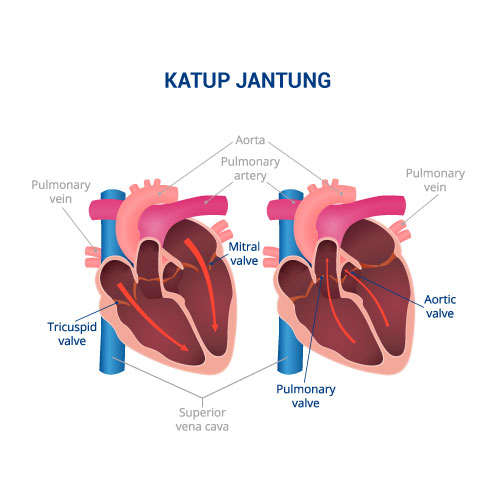
The heart valves play an important role in maintaining smooth and one‑way blood flow within the heart. Heart valve disorders often develop gradually and unnoticed at first, but can become serious if not treated properly. Heart valve disease includes various conditions such as narrowing, leakage, congenital abnormalities like atresia, and valve prolapse.
Understanding the Heart Valves:
The heart has four valves that function like one‑way doors. These valves ensure blood flows in the correct direction and does not return to the previous chamber. The four valves are:
Mitral Valve (between the left atrium and left ventricle)
Tricuspid Valve (between the right atrium and right ventricle)
Aortic Valve (between the left ventricle and the aorta)
Pulmonary Valve (between the right ventricle and the pulmonary artery)
As the heart pumps blood, the valves open and close regularly. If these valves malfunction, blood flow becomes suboptimal and the heart must work harder.
Types of Heart Valve Problems
Heart Valve Stenosis
Stenosis occurs when the valve becomes stiff or narrowed, making it difficult for blood to flow out of the heart chamber. As a result, the heart must pump harder and blood flow to the body or lungs decreases.
Heart Valve Regurgitation
Regurgitation occurs when the valve does not close properly, causing blood to flow back into the previous chamber. This increases blood volume in the heart, making it work harder over time.
Heart Valve Atresia
Atresia is a congenital condition in which the valve does not form or is completely closed, preventing normal blood flow.
Heart Valve Prolapse
Prolapse occurs when the valve leaflets bulge or fold backward during contraction, most commonly affecting the mitral valve.
Causes of Heart Valve Disease
- Aging: especially in older adults
- Rheumatic fever: due to untreated streptococcal infection
- Congenital abnormalities: imperfect valve formation from birth
- Heart infections: endocarditis
- Other heart diseases: such as coronary artery disease or heart enlargement
- Lifestyle and risk factors: including hypertension, diabetes, and high cholesterol
Symptoms Not to Ignore
- Easily fatigued
- Shortness of breath, especially during activity or lying down
- Heart palpitations or irregular heartbeat
- Chest pain
- Swelling in the legs or ankles
- Dizziness or fainting
Do not ignore these symptoms. Early detection and treatment can prevent further heart damage.
Is Heart Valve Disease Dangerous?
Heart valve disease can be dangerous if not treated correctly. Increased heart workload can cause:
- Heart failure
- Arrhythmias
- Blood clots and stroke risk
- Reduced quality of life
However, with proper diagnosis and treatment—whether medication, intervention, or surgery—many patients can return to normal activities with good quality of life.
The Importance of Regular Heart Check‑ups
Tests such as ECG, echocardiography, and consultations with cardiologists are essential to evaluate valve conditions. If you have risk factors or symptoms, seek further evaluation.
RS Premier Jatinegara is supported by cardiologists and complete diagnostic facilities to help detect and manage heart valve disease comprehensively.
FAQ
Is a leaking heart valve dangerous?
Yes, it can be dangerous and requires treatment because the heart works harder, which may lead to complications such as heart failure, arrhythmias, pulmonary hypertension, or sudden cardiac arrest.
When should you see a cardiologist?
Seek medical attention if you experience shortness of breath, fatigue, palpitations, chest pain, dizziness, or swelling in the legs.
Contact us
For information and make an appointment

| Loading data... |
|---|