+62 811-1300-9840


Stress and Lack of Sleep During Worship Activities: How They Impact Blood Pressure
27 February 2026
3 min read


By: dr. Muhammad Gibran Fauzi Harmani, Sp.JP, FIHA
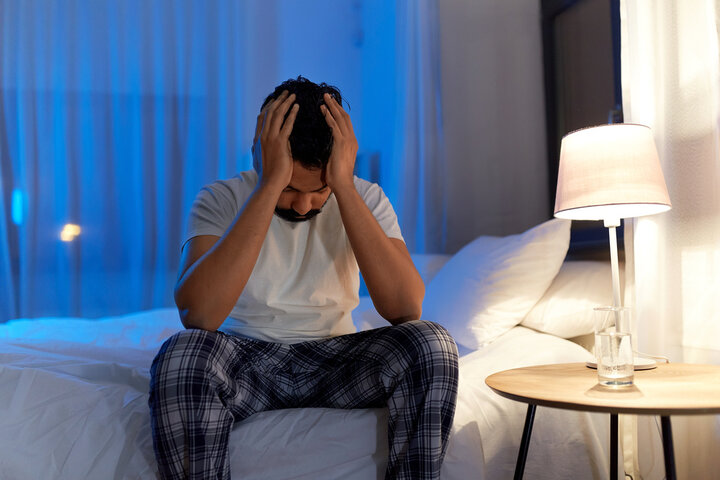
During moments of worship, event preparations, and gatherings, activities often increase sharply. Sleep time decreases, eating patterns become irregular, coffee consumption rises, and emotions become more easily triggered. No wonder many people start complaining about feeling heavy-headed or experiencing heart palpitations.
The problem is that high blood pressure often doesn’t cause symptoms. So it’s very important to know the triggers, the correct way to check it, and when to seek help immediately.
Why Can Blood Pressure Rise During Busy Activities?
Some of the most common triggers:
- Lack of sleep: The body stays in stress mode
- Stress & emotions: Rushing time, traffic jams, event demands, etc.
- High-salt foods: Processed foods, salty broth, crackers, snacks
- Strong coffee/tea & sugary drinks: Can trigger palpitations in some people
- Not drinking enough water: Dehydration can cause dizziness and general discomfort
- Forgetting routine medication: Among those with hypertension
Important note: According to WHO, hypertension is blood pressure ≥140/90 mmHg, and many people experience no symptoms.
Symptoms Often Mistaken for “Just Tired”
Some people may experience:
- Heavy head / dizziness
- Neck stiffness
- Heart palpitations
- Easily fatigued
- Slightly blurry vision
But remember, symptoms like the above do not always mean hypertension, and hypertension can also occur without any symptoms. The safest way: measure your blood pressure correctly.
How to Measure Blood Pressure Correctly at Home to Avoid “False Alarms”
Follow these simple steps:
- Sit calmly for 5 minutes, do not talk yet
- Back supported, feet flat on the floor
- Cuff on bare upper arm, proper fit
- Arm positioned at chest/heart level and supported
- Do not talk or scroll your phone during measurement
Practical tip: take 2 measurements with a 1‑minute interval, then record the results.
Safe Steps When Your Blood Pressure Feels High Without Panicking
If you feel “unwell” and suspect your blood pressure is rising:
- Stop first, sit calmly for 5–10 minutes
- Re‑measure with the correct position
- Drink water, especially if you haven’t had enough during the day
- Avoid triggers: coffee, cigarettes, energy drinks, salty foods
- If you have routine hypertension medication, take it according to your prescribed schedule — do not double the dose on your own
How to Prevent Blood Pressure Spikes During a Busy Schedule
Do these daily:
- Maintain adequate sleep (if you can’t sleep long, keep the schedule consistent)
- Reduce salt and salty snacks
- Limit coffee to 1 cup, don’t stack doses when sleep‑deprived
- Take a 10‑minute walk after events
- Set a medication alarm (for those who take routine medication)
FAQ
At what level does hypertension begin?
WHO states that hypertension is blood pressure of 140/90 mmHg or higher.
What if blood pressure is high but there are no symptoms?
Repeat the measurement using the correct technique and consult a healthcare professional for further evaluation, because hypertension can occur without symptoms.
When is high blood pressure an emergency?
If it is ≥180/120 with symptoms such as chest pain, shortness of breath, or signs of stroke, seek emergency care immediately.
Contact us
For information and make an appointment

Dr. dr. Muhammad Gibran Fauzi Harmani, Sp.JP, FIHA
Cardiology View Schedule| Loading data... |
|---|