+62 811-1300-9840


Arrhythmia: Understanding Heart Rhythm Disorders, Symptoms, and Treatment
12 August 2026
4 min read


By: Dr. dr. Muhammad Gibran Fauzi Harmani, Sp.JP, FIHA
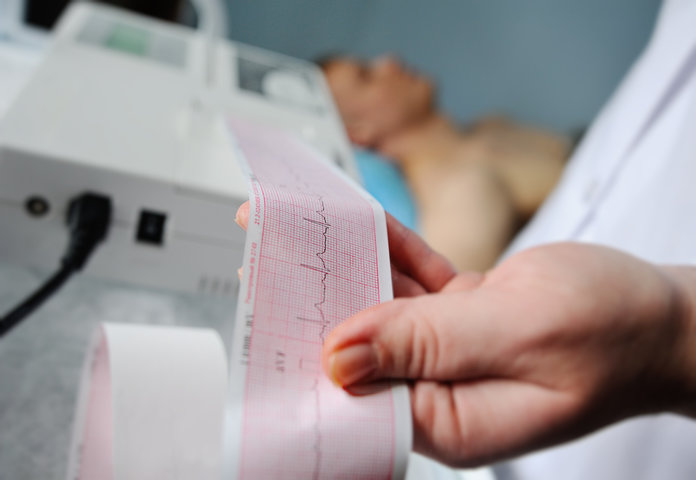
A healthy heart beats regularly to pump blood throughout the body. However, in certain conditions, the heart rhythm can become too fast, too slow, or irregular. This condition is known as arrhythmia. Many people mistake heart palpitations for mere symptoms of fatigue or stress.
In reality, however, arrhythmia can sometimes signal a serious heart disorder and carries the risk of complications ranging from stroke to sudden death. Recognizing symptoms early and receiving appropriate treatment are crucial to preventing more severe complications.
What Is Arrhythmia?
Arrhythmia is a heart rhythm disorder—a condition where the heartbeat becomes too fast, too slow, or irregular.
This disorder arises from problems within the heart's electrical system, which regulates the heartbeat. Consequently, the heart cannot pump blood optimally throughout the body.
What Causes Arrhythmia?
Arrhythmia can be caused by various medical conditions and lifestyle factors. Some common causes include:
- Coronary heart disease.
- Heart valve disorders.
- Congenital heart disease.
- Electrolyte imbalances.
- Metabolic disorders.
- Excessive caffeine consumption.
- Lack of physical activity.
- Unhealthy diet.
Identifying the cause of arrhythmia is crucial, as it determines the type of treatment provided.
What Are the Symptoms of Arrhythmia?
Symptoms of arrhythmia vary from person to person, depending on the type and severity of the heart rhythm disorder. Some common symptoms include:
- Heart palpitations.
- Irregular heartbeat.
- Chest pain or discomfort.
- Shortness of breath.
- Dizziness.
- Fainting or near-fainting.
In some cases, arrhythmias can occur without causing any symptoms, making medical check-ups essential—especially for individuals with risk factors.
Why Should Arrhythmias Not Be Ignored?
An arrhythmia is more than just a sensation of heart palpitations. If left untreated, heart rhythm disorders can lead to serious complications, such as:
- Stroke caused by blood clot formation.
- Decline in heart function.
- Heart failure.
- Cardiac arrest.
- Sudden death.
Therefore, any symptoms suggestive of a heart rhythm disorder should be promptly evaluated by a doctor.
How Can You Recognize Arrhythmia Yourself?
One simple step you can take is to check your own pulse. You can feel for your pulse at your wrist or neck and then count the number of beats over the course of one minute.
For adults, a normal resting pulse generally ranges from 60 to 100 beats per minute. If your pulse feels very fast, very slow, or irregular, you should consult a cardiologist.
How Is Arrhythmia Diagnosed?
To confirm the diagnosis, the doctor will conduct a medical interview, a physical examination, and additional tests. Some commonly performed tests include:
- Electrocardiogram (ECG)
An ECG is used to record the heart's electrical activity, allowing the specific type of rhythm disturbance to be identified. - Blood Pressure and Hemodynamic Assessment
This assessment aims to evaluate blood circulation and the patient's stability. If necessary, the doctor may also recommend further examinations based on the patient's condition.
How is arrhythmia treated?
Arrhythmia treatment is tailored to the cause, the type of rhythm disorder, and the patient's condition. Some treatment options include:
- Medication Therapy
Medications are administered to help control heart rhythm or prevent complications, based on medical indications. - Electrical Shock (Cardioversion)
For certain types of arrhythmias, a doctor may perform an electrical shock procedure to restore a normal heart rhythm. - Pacemaker Implantation
For patients with an excessively slow heart rate or specific conduction disorders, pacemaker implantation may be a treatment option. The specific course of action will be determined based on the results of examinations and evaluations by a cardiologist.
How Can Arrhythmia Be Prevented?
Although not all cases can be prevented, the risk of arrhythmia can be reduced by adopting a healthy lifestyle. Some measures that can be taken include:
- Exercise regularly.
- Eat a balanced, nutritious diet.
- Limit caffeine intake.
- Control blood pressure, blood sugar, and cholesterol levels.
- Avoid smoking.
- Undergo regular health check-ups.
When Should You Consult a Doctor?
Seek medical attention immediately if you experience:
- Heart palpitations with no apparent cause.
- Heartbeat feels very fast, slow, or irregular.
- Chest pain.
- Shortness of breath.
- Dizziness or fainting.
The sooner an arrhythmia is diagnosed, the greater the chance of preventing more serious complications.
FAQ
Are arrhythmias always dangerous?
Not all arrhythmias are dangerous. However, some types can increase the risk of stroke, heart failure, or even sudden death, so they still require medical evaluation.
What is a normal pulse rate for adults?
A normal resting pulse rate generally ranges from 60 to 100 beats per minute.
Does heart palpitations always indicate an arrhythmia?
Not necessarily. Heart palpitations can be caused by various conditions. A medical examination is required to determine the underlying cause.
Can arrhythmias be treated?
Yes. Treatment for arrhythmias may involve lifestyle changes, medication, medical procedures, or the implantation of a pacemaker, depending on the type and cause.
Do Not Ignore Abnormal Heart Rhythms
Heart rhythm disorders can signal problems with the heart's electrical system that require immediate attention. Recognizing symptoms early and consulting a doctor can help prevent serious complications.
If you experience heart palpitations, an irregular heartbeat, or other symptoms suggestive of an arrhythmia, do not hesitate to consult Dr. dr. Muhammad Gibran Fauzi Harmani, Sp.JP, FIHA, and the Cardiology Team at RS Premier Jatinegara for a proper examination and treatment.
Contact us
For information and make an appointment

Dr. dr. Muhammad Gibran Fauzi Harmani, Sp.JP, FIHA
Cardiology View Schedule| Loading data... |
|---|