+62 811-1300-9840


Heart Attacks Don't Always Cause Chest Pain: Recognize Symptoms That Are Often Overlooked
25 September 2026
3 min read


By: dr. Alya Roosrahima Khairunnisa
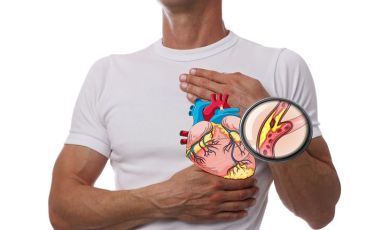
Many people recognize a heart attack by symptoms such as chest pain or a sensation of pressure in the chest. However, in some individuals, impaired blood flow to the heart can occur without the typical complaint of chest pain. Instead, symptoms may manifest as shortness of breath, nausea, cold sweats, sudden weakness, or discomfort in the jaw, neck, or back.
This type of condition warrants attention, particularly in individuals with risk factors for heart disease.
What Is an Angina Equivalent?
An angina equivalent is a sign or symptom of myocardial ischemia—reduced blood flow to the heart muscle—that occurs without typical chest pain. Although the person does not experience chest pain or pressure, the underlying mechanism involves an imbalance between the heart muscle's oxygen demand and the available oxygen supply.
In some cases, symptoms may appear or intensify during physical activity or stress and then subside with rest. Because the symptoms are not always typical, this condition can be more difficult to recognize.
Heart attack symptoms do not always present as chest pain. Certain complaints can mask impaired blood flow to the heart. Symptoms to watch for include:
- Shortness of Breath
Shortness of breath is a symptom that can accompany heart disorders.
It may occur during activities such as walking or climbing stairs and improve after resting. Sudden shortness of breath in someone with no prior history of lung problems also warrants further evaluation. - Nausea or Upper Abdominal Discomfort
Heart disorders can sometimes cause symptoms resembling digestive issues, such as nausea, vomiting, and upper abdominal discomfort.
These symptoms can mimic gastritis or GERD. A key factor to consider is the relationship between the symptoms and physical activity. If symptoms arise frequently during brisk walking, stair climbing, or other physical exertion, further examination is necessary to determine the cause. - Cold Sweats
Cold sweats occurring without an apparent cause—especially when accompanied by weakness, nausea, shortness of breath, or general bodily discomfort—require attention.
This condition may be linked to the body's response to impaired heart function. - Weakness or Unusual Fatigue
Fatigue resulting from daily activities is common; however, a sudden change in physical capability warrants caution.
For instance, a person who is usually able to walk or perform routine activities might suddenly feel extremely weak after only light exertion.
Unexplained fatigue, particularly in individuals with cardiovascular risk factors, should not be ignored. - Fainting or Near-Fainting
Syncope (temporary loss of consciousness) and presyncope (a sensation of impending faintness) are symptoms that require evaluation, especially if they occur suddenly. - Jaw, Neck, or Back Pain
Heart disorders do not always manifest as symptoms localized to the chest area. In some people, discomfort may be felt in the jaw, neck, shoulders, or back as referred pain.
Who Is at Higher Risk of Experiencing Atypical Symptoms?
Heart attack symptoms without chest pain can occur in anyone, but certain groups need to be especially vigilant.
- Older Adults: In older age, the body's response to pain may change. Consequently, serious heart conditions sometimes manifest merely as weakness, shortness of breath, confusion, or a decline in functional ability.
- Women: Women may experience symptoms of heart conditions that differ from the classic presentation of chest pain. Complaints such as fatigue, nausea, or shortness of breath may be more prominent symptoms.
- People with Diabetes Mellitus: Long-term diabetes can affect the autonomic nervous system. This condition can impair the body's ability to sense or recognize pain resulting from heart problems. This is one reason why individuals with diabetes may experience serious heart issues without feeling typical chest pain.
- Chronic Kidney Disease: Chronic kidney disease is also associated with a higher cardiovascular risk and can present with atypical symptoms.
- History of Coronary Heart Disease: Individuals with a history of coronary heart disease, stent placement, or heart bypass surgery still need to be vigilant regarding any changes or the emergence of new symptoms.
Don't Wait for Chest Pain to Appear
A common misconception is the belief that a person is not experiencing a heart problem simply because they do not feel chest pain.
In reality, a combination of symptoms—such as shortness of breath, nausea, cold sweats, sudden weakness, or a reduced ability to perform activities—can warrant a medical evaluation, especially if the individual has risk factors like diabetes, hypertension, advanced age, or a history of heart disease. Therefore, recognizing changes in your physical condition is crucial.
Why Is an ECG Important?
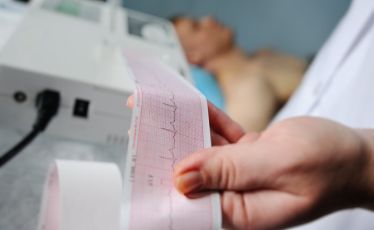
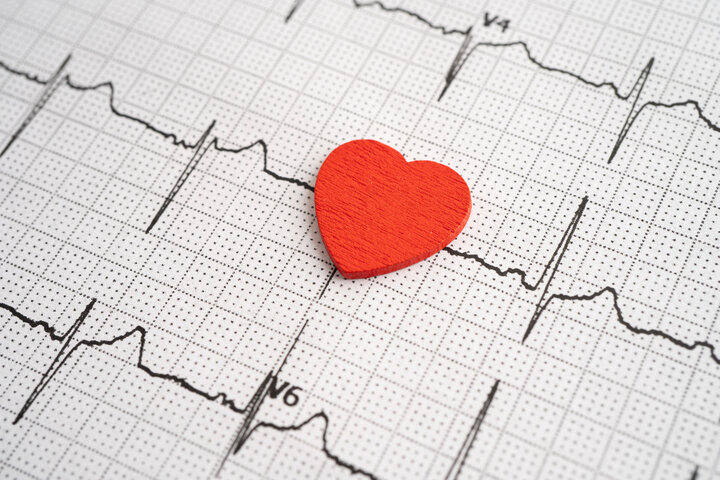
An electrocardiogram (ECG) records the heart's electrical activity and helps doctors detect changes that may indicate impaired blood flow to the heart muscle.
However, an initial ECG result that appears normal does not always completely rule out the possibility of acute coronary syndrome.
If symptoms and risk factors raise suspicion of a heart problem, the doctor may consider further testing—such as serial ECGs and cardiac marker tests (e.g., troponin)—depending on the patient's condition.
When Should You Seek Immediate Help?
Seek immediate medical attention if you experience sudden symptoms such as:
- shortness of breath
- cold sweats
- unusual weakness
- nausea or vomiting without an apparent cause
- fainting or feeling faint
- discomfort in the chest, jaw, neck, shoulders, or back, especially if you have risk factors for heart disease.
In cases of acute heart conditions, prompt treatment is crucial; the longer blood flow to the heart muscle is interrupted, the greater the risk of damage to the heart muscle.
Recognize the Symptoms—Don't Wait for Chest Pain
Heart attacks do not always present with the classic symptom of chest pain.
For some individuals—particularly the elderly, women, and those with diabetes, chronic kidney disease, or a history of heart disease—symptoms may be more subtle.
Therefore, do not ignore sudden changes in your physical condition. Early medical evaluation helps doctors determine the cause of your symptoms and the appropriate treatment.
FAQ (Frequently Asked Questions)
Can a heart attack occur without chest pain?
Yes. A heart attack—or an interruption of blood flow to the heart—does not always cause typical chest pain. In some people, symptoms may include shortness of breath, nausea, cold sweats, sudden weakness, fainting, or discomfort in the jaw, neck, and back.
What is an "angina equivalent"?
An angina equivalent is a sign or symptom of myocardial ischemia (reduced blood flow to the heart muscle) that occurs without typical chest pain. Complaints may include shortness of breath, nausea, cold sweats, unusual fatigue, or other symptoms resulting from reduced oxygen supply to the heart muscle.
Who is at higher risk of experiencing a heart attack without chest pain?
Groups that need to be particularly vigilant include the elderly, women, individuals with diabetes mellitus, those with chronic kidney disease, and people with a history of coronary heart disease.
Can nausea and cold sweats be signs of a heart problem?
Yes. Nausea, vomiting, or cold sweats without an apparent cause can be symptoms of a heart problem, especially if they occur alongside shortness of breath or sudden weakness, or if they happen to someone with cardiovascular risk factors.
Does a normal ECG result mean there is definitely no heart problem?
Not necessarily. An initial ECG that appears normal does not completely rule out the possibility of acute coronary syndrome. If a doctor still suspects a heart problem based on symptoms and risk factors, further tests—such as serial ECGs and troponin tests—may be required.
When should I seek immediate medical attention?
Seek immediate medical attention if you experience sudden shortness of breath, cold sweats, severe weakness, nausea or vomiting without an apparent cause, fainting or near-fainting, or discomfort in the chest, jaw, neck, shoulders, or back—especially if you have risk factors for heart disease. If you experience symptoms suggestive of a heart disorder or have risk factors for cardiovascular disease, consult a doctor at RS Premier Jatinegara about your condition.
Contact us
For information and make an appointment