+62 811-1300-9840


Coronary Heart Disease: Recognize the Symptoms, Risk Factors, and Prevention Methods
13 August 2026
4 min read


By: Dr. dr. Muhammad Gibran Fauzi Harmani, Sp.JP, FIHA
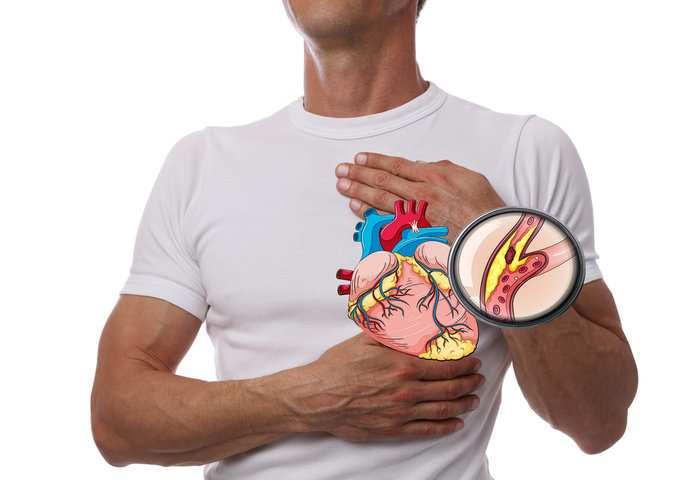
Coronary heart disease remains one of the leading causes of death worldwide, including in Indonesia. Unfortunately, many people only realize they have the condition after severe symptoms appear—or even after suffering a heart attack.
Yet, most risk factors for coronary heart disease can be identified and managed early on. By understanding the causes, symptoms, and preventive measures, the risk of life-threatening complications can be minimized.
What Is Coronary Heart Disease?
Coronary heart disease is a condition in which the blood vessels supplying blood to the heart muscle become narrowed or blocked. The primary cause is atherosclerosis—a buildup of plaque consisting of fat, cholesterol, and other substances on the walls of the blood vessels. Over time, this plaque accumulates, reducing blood flow to the heart muscle. If the blockage becomes severe or occurs suddenly, the oxygen supply to the heart muscle is disrupted, potentially leading to a heart attack.
What Are the Symptoms of Coronary Heart Disease?
Symptoms of coronary heart disease vary from person to person, depending on the severity of the blockage. Some symptoms to watch out for include:
- Chest pain that feels like a crushing weight, a burning sensation, or a stabbing pain.
- Pain radiating to the neck, shoulders, arms, jaw, or back.
- Shortness of breath during physical activity.
- Cold sweats.
- Nausea and vomiting.
- Chest discomfort when climbing stairs, walking long distances, or experiencing emotional stress.
In severe cases, coronary heart disease can lead to sudden cardiac arrest or an acute heart attack.
What Causes Coronary Heart Disease?
Blockage of the heart's blood vessels occurs due to atherosclerosis, a process that develops slowly over many years.
Plaque accumulating on the vessel walls narrows the passage, thereby reducing blood flow to the heart.
If the plaque ruptures, a blood clot can form, completely blocking the vessel and triggering a heart attack.
Risk Factors for Coronary Heart Disease: Several factors increase the risk of developing coronary heart disease.
Non-Modifiable Risk Factors
Advancing age, gender, and a family history of heart disease.
Modifiable Risk Factors
Hypertension, diabetes mellitus, high cholesterol, smoking, physical inactivity, an unhealthy diet, and being overweight or obese.
Managing these factors is a crucial step in reducing the risk of coronary heart disease.
Can Coronary Heart Disease Be Cured?
Coronary heart disease is a chronic condition. This means the primary goal of treatment is not to eliminate the disease entirely, but to manage the condition to prevent it from worsening and to reduce the risk of complications.
With appropriate treatment as recommended by a doctor, the progression of atherosclerotic plaque can be slowed, and in some cases, its volume may even decrease.
How Is Coronary Heart Disease Treated?
Treatment for coronary heart disease is tailored to each patient's condition. Therapeutic options include:
Medication
Doctors prescribe evidence-based medications to help control risk factors, alleviate symptoms, and prevent complications.
Percutaneous Coronary Intervention
If significant narrowing of the blood vessels is detected, a procedure involving the placement of a balloon or stent via a catheter may be performed to improve blood flow to the heart. Coronary Artery Bypass Grafting (CABG) In cases of severe blockage or involvement of multiple blood vessels, doctors may recommend coronary artery bypass grafting (CABG).
The choice of therapy is determined based on examination results and the individual patient's clinical condition.
How Can Coronary Heart Disease Be Prevented?
Pencegahan merupakan langkah paling efektif untuk menurunkan risiko penyakit jantung koroner. Salah satu cara yang dapat diterapkan adalah melalui prinsip
CERDIK
C – Cek Kesehatan Secara Berkala
Get regular checks for blood pressure, blood sugar, and cholesterol.
E – Enyahkan Asap Rokok
Get regular checks for blood pressure, blood sugar, and cholesterol.
R – Rajin Beraktivitas Fisik
Exercise regularly, in accordance with your abilities and health condition.
D – Diet Sehat
Increase your consumption of vegetables, fruit, whole grains, and limit foods high in saturated fat, sugar and salt.
I – Istirahat yang Cukup
Getting enough sleep helps maintain heart health and the body's metabolism.
K – Kelola Stres
Managing stress effectively can help maintain blood pressure and overall heart health.
When Should You Consult a Doctor?
Seek medical attention immediately if you experience:
- Chest pain occurring during activity or at rest.
- Shortness of breath with no apparent cause.
- Chest pain radiating to the arm, neck, or jaw.
- Presence of risk factors such as hypertension, diabetes, or high cholesterol.
- Family history of heart disease.
Early screening can help detect coronary heart disease before it leads to more serious complications.
FAQ
Can coronary heart disease be cured?
Coronary heart disease is a chronic condition that can be managed through medication, lifestyle changes, and regular check-ups as recommended by a doctor.
Do all patients require surgery?
No. Treatment is tailored to the severity of the blockage and the patient's condition. Some patients can be managed with medication alone, while others may require stent placement or bypass surgery.
Who is at the highest risk of developing coronary heart disease?
The risk is higher for individuals with hypertension, diabetes, high cholesterol, a history of smoking, or obesity, as well as those with a family history of heart disease.
What is the best way to prevent coronary heart disease?
Adopting a healthy lifestyle, managing risk factors, and undergoing regular health check-ups are the best ways to prevent coronary heart disease.
Protect Your Heart Health Early On
Coronary heart disease can be prevented and managed if risk factors are identified early. Maintaining a healthy lifestyle, getting regular check-ups, and seeking immediate consultation if symptoms arise are crucial steps in protecting your heart health.
If you have risk factors or are experiencing symptoms suggestive of coronary heart disease, do not hesitate to consult Dr. dr. Muhammad Gibran Fauzi Harmani, Sp.JP, FIHA, and the cardiology team at RS Premier Jatinegara for appropriate examination and treatment.
Contact us
For information and make an appointment

Dr. dr. Muhammad Gibran Fauzi Harmani, Sp.JP, FIHA
Cardiology View Schedule| Loading data... |
|---|