+62 811-1300-9840


Safe Gatherings: Keep Flu and Cough from Spreading
03 March 2026
3 min read


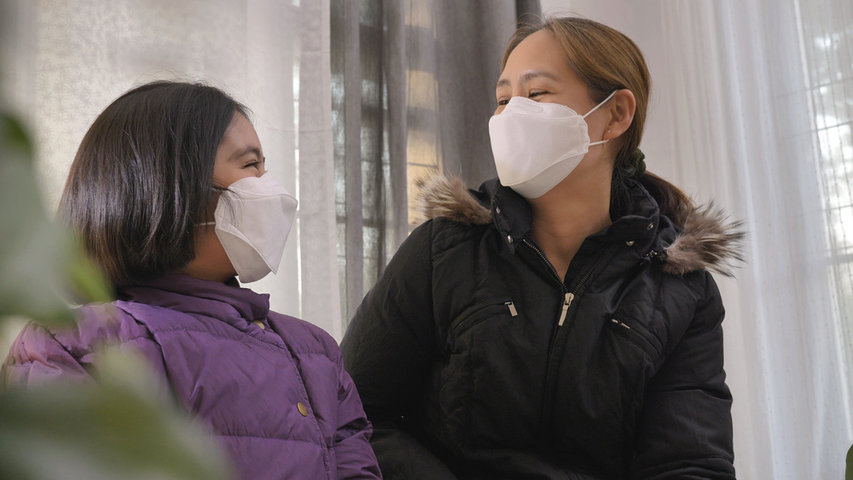
Gatherings are warm moments to meet family and friends. However, behind the friendly atmosphere, group events can also become a fast route for spreading flu, cough, and respiratory infections. Especially when many people gather in an enclosed space and shake hands. The good news is, you don’t need to be paranoid. Just apply a few simple habits to reduce the risk of spreading or catching illnesses.
Why Do Gatherings Easily Become a Place for Virus Exchange?
Respiratory viruses spread mainly through droplets when someone coughs, sneezes, or talks. The risk of transmission increases because:
- Many people talk at close distance
- There are handshakes or hugs, followed by touching food or utensils
- Enclosed spaces with poor ventilation
- Someone attends even though they have mild cough or cold symptoms
This combination makes it easy for viruses to move from one person to another.
If You’re Feeling Sick, It’s Better to Postpone Gatherings
When your body has a fever, cough, cold, or feels weak, it’s best to rest at home until you feel better. This is the most effective way to protect others from getting infected. If for certain reasons you must meet others:
- Limit the duration of the meeting
- Keep distance when possible
- Wear a mask properly
Cough Etiquette That Seems Simple but Important
- Cover your mouth and nose when coughing or sneezing using a tissue or the inner elbow
- Throw used tissues into the trash
- Wash your hands after coughing or sneezing
These small habits prevent viruses from spreading to hands, tables, or objects frequently touched by many people.
Handwashing: The Most Effective Way to Prevent Transmission
Washing your hands with soap and running water helps remove viruses and bacteria from the surface of your hands. Do this especially:
- After shaking hands or hugging
- Before eating or touching snacks
- After using the toilet
- After coughing or sneezing
If water is not available, use an alcohol-based hand sanitizer as an alternative.
When Should You Wear a Mask?
Masks help reduce the risk of transmission, especially:
- When you have a cough or cold
- When you are in a crowded and enclosed room
- When meeting elderly people or family members with chronic illnesses
Masks work best when used together with other healthy habits such as handwashing and keeping distance.
FAQ
Should you still attend gatherings when you have a cough or cold?
The CDC recommends staying home if respiratory symptoms have not improved to prevent transmission.
Are masks still relevant for flu/cough?
Yes. The CDC states that masks can help reduce the risk of respiratory virus transmission, especially when worn by someone who is infected.
The most effective steps during family gatherings?
A combination of: staying home when sick, practicing proper cough etiquette, regularly washing hands, and cleaning frequently touched surfaces will reduce the risk of spreading and catching illnesses.
Hubungi Kami
Untuk informasi & buat janji temu Dokter

| Loading data... |
|---|