+62 811-1300-9840


Bloating and GERD Symptoms After Heavy Meals
27 January 2026
3 min read


By: dr. Sin Hariyanto Budiarta, Sp.PD-KGEH

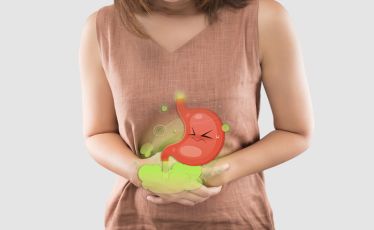
Chinese New Year celebrations are closely associated with family gatherings and festive meals. However, consuming large meals may lead to symptoms such as abdominal bloating, nausea, or a burning sensation in the chest. These complaints may range from simple overeating to gastritis (dyspepsia) or an exacerbation of gastroesophageal reflux disease (GERD). Understanding the differences is essential to ensure appropriate and safe management.
Differences Between Bloating, Gastritis, and GERD
Bloating
- Feeling of fullness or abdominal discomfort, often accompanied by belching
- Commonly occurs after eating too quickly or excessively
- Symptoms generally improve with rest or light physical activity
Gastritis (Dyspepsia)
- Epigastric pain or burning sensation, nausea, early satiety, and bloating
- Frequently triggered by irregular meals, stress, coffee, and spicy or acidic foods
GERD
- Burning sensation in the chest (heartburn)
- Regurgitation of gastric contents into the throat, sour taste, or nighttime cough
- Symptoms may worsen when lying down after meals
When bloating is accompanied by chest burning and acid regurgitation, GERD is more likely than simple overeating.
Why Heavy Meals During Festivities Trigger Symptoms
Large food portions consumed at once increase gastric workload. The risk is higher when meals include:
- High-fat or fried foods that require longer digestion
- Spicy or acidic dishes
- Carbonated beverages and coffee
- Eating quickly while talking
- Lying down soon after meals
Additional contributing factors during holidays include lack of sleep, stress, and irregular eating habits.
Safe Immediate Measures Within the First 24 Hours
- Pause further food intake and allow a 2–3 hour interval before eating again
- Engage in light walking for approximately 10 minutes
- Avoid lying down for at least 2–3 hours after meals
- Choose stomach-friendly beverages such as warm or room-temperature water
- Loosen tight clothing around the waist
Patients who regularly use medication for gastritis or GERD should continue treatment according to their physician’s instructions.
Habits That May Prolong Symptoms
- Consuming spicy or fatty foods again later in the day
- Sleeping immediately after eating
- Drinking carbonated beverages to relieve bloating
- Eating large portions in a single meal
Preventive Tips to Enjoy Chinese New Year Comfortably
- Start with small portions and add gradually if needed
- Eat slowly, allowing 15–20 minutes per meal
- Include vegetables or dietary fiber to maintain satiety
- Limit fried and high-fat foods
- Engage in light activity after meals rather than resting in bed
When to Seek Immediate Medical Attention
- Severe chest pain radiating to other areas, accompanied by shortness of breath or cold sweats
- Vomiting blood or black, tarry stools
- Difficulty or pain when swallowing
- Unexplained weight loss
- Persistent vomiting or inability to eat and drink
Consultation with a Digestive Specialist
Medical consultation is recommended if gastritis or GERD symptoms recur frequently, require continuous medication, or are accompanied by alarm signs. Further evaluation, including endoscopy, may be performed when indicated.
RS Premier Jatinegara provides a Digestive Centre supported by consultant gastroenterologists (Sp.PD-KGEH).
Contact us
For information and make an appointment

dr. Sin Hariyanto Budiarta, Sp.PD-KGEH
Internal Medicine View Schedule| Loading data... |
|---|