+62 811-1300-9840


Hantavirus in Indonesia: Recognize the Symptoms, Risk Factors, and Prevention Methods
24 June 2026
4 min read


By: dr. Dwi Rendra Hadi, Sp.PD
Recently, the public has been confronted with a flurry of information about infectious diseases emerging in various parts of the world, including Hantavirus. Although the Hantavirus variant widely reported abroad has not been detected in Indonesia, increased vigilance is still needed, as other Hantavirus variants have been found in Indonesia.
The experience of dealing with the COVID-19 pandemic has taught us the importance of awareness of infectious diseases that have the potential to cause serious health impacts. Therefore, recognizing the symptoms, risk factors, and preventive measures for Hantavirus is crucial.
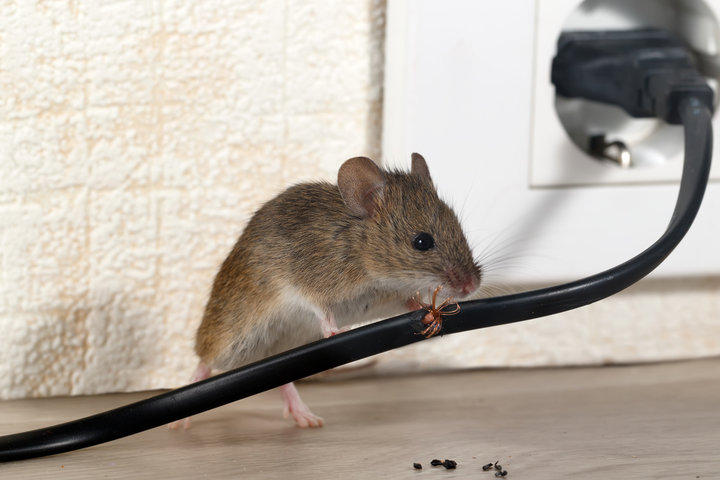
What is Hantavirus?
Hantavirus is a group of viruses generally associated with exposure to infected rodents.
Transmission can occur through contact with urine, feces, saliva, or environments contaminated by rodents carrying the virus. Under certain conditions, airborne virus particles can also enter the body when a person inhales dust from a contaminated area.
Although cases are not as numerous as other infectious diseases, Hantavirus still requires vigilance because it can cause serious illness and require medical treatment.
Is Hantavirus Existing in Indonesia? Yes.
Although the Hantavirus variant widely reported from abroad has not been found in Indonesia, other variants have been found in Indonesia.
Therefore, the public should not be complacent and assume that the risk of Hantavirus infection is negligible. Vigilance remains necessary, especially for individuals at risk of exposure to rodents or contaminated environments.
Hantavirus Symptoms to Watch Out For
Early symptoms of Hantavirus often resemble other infectious diseases, making it difficult to recognize.
Some symptoms to watch out for include:
- High fever
- Severe muscle pain, especially in the thighs and waist area
- Feeling weak
- History of contact with rats
- History of cleaning rat carcasses or contaminated areas
If these symptoms appear, especially after exposure to rats, you should immediately seek medical attention for further evaluation.
Who is at Risk of Hantavirus Exposure?
The risk of Hantavirus infection is higher in individuals who frequently work in environments potentially contaminated by rats.
Some groups that need to be more vigilant include:
- People who clean warehouses or long-unused rooms
- People who clean areas with rat infestations
- Individuals who handle rat carcasses
- People who live in environments with high rat populations
- Workers who frequently work in storage areas or enclosed buildings
Semakin tinggi tingkat paparan terhadap tikus, semakin besar pula risiko terjadinya infeksi.
Mengapa Penanganan di Rumah Sakit Tetap Penting?
Until now there is no specific therapy that can directly cure Hanta Virus infection.
However, that doesn't mean the patient can't be helped.
Hospital care plays a crucial role in helping monitor the patient's condition, maintaining organ function, and reducing the risk of more serious complications.
The sooner patients receive medical treatment, the greater the chance of getting better results.
How to Prevent Hanta Virus
Prevention is the most effective way to reduce the risk of Hantavirus infection.
Some steps you can take include:
- Wash Your Hands Regularly
Make a habit of washing your hands with soap and running water after activities, especially after cleaning the environment or touching potentially contaminated objects. - Avoid Touching Your Face
Try not to touch your eyes, nose, and mouth before washing your hands thoroughly. - Use Protective Equipment When Cleaning Risky Areas
Wear gloves and personal protective equipment when cleaning areas that may have been exposed to rats or their droppings. - Avoid Habits That Increase the Risk of Infection
Habits such as finger-biting, thumb-sucking, or rubbing your eyes with unwashed hands can increase the risk of germs entering the body. - Maintain a Clean Environment
Maintaining a clean home and surrounding environment and controlling the rat population are important steps to reduce the risk of transmission.
When Should You Consult a Doctor Immediately?
Get checked immediately if:
- Having a high fever that doesn't improve
- Severe muscle pain, especially in the thighs and lower back
- Having a history of contact with rats
- Recently cleaning a rat carcass or contaminated area
- Experiencing symptoms that interfere with daily activities
Early examination can help doctors determine the cause of complaints and provide appropriate treatment.
Hantavirus FAQ
Is Hantavirus present in Indonesia?
Yes. Several variants of Hantavirus have been found in Indonesia, although the variant widely reported from abroad has not yet been found.
Will everyone who comes into contact with rats contract Hantavirus?
No. However, contact with rats or contaminated environments can increase the risk of infection.
Is there a specific cure for Hantavirus?
Currently, there is no specific therapy to cure Hantavirus. However, proper medical care can help reduce the risk of complications.
What is the best way to prevent Hantavirus?
Maintaining a clean environment, avoiding exposure to rats, and practicing a clean and healthy lifestyle are the most important preventative measures.
Be Aware of Hantavirus and the Risk of Transmission
Although not yet a common health problem, Hantavirus still requires vigilance. Recognizing symptoms early, understanding risk factors, and practicing good hygiene habits can help protect yourself and your family from the risk of infection.
If you experience a high fever, severe muscle pain, or have a history of exposure to rats, please consult Premier Jatinegara Hospital immediately.
Early detection and proper treatment can help prevent more serious complications.
Contact us
For more information and make an appointment

| Loading data... |
|---|