+62 811-1300-9840


Calves Are More Than Just Body Support, Calf Muscles Are the Second Heart
02 March 2026
4 min read


By: dr. Ihza Fachriza, Sp.B, Subsp.BVE(K)
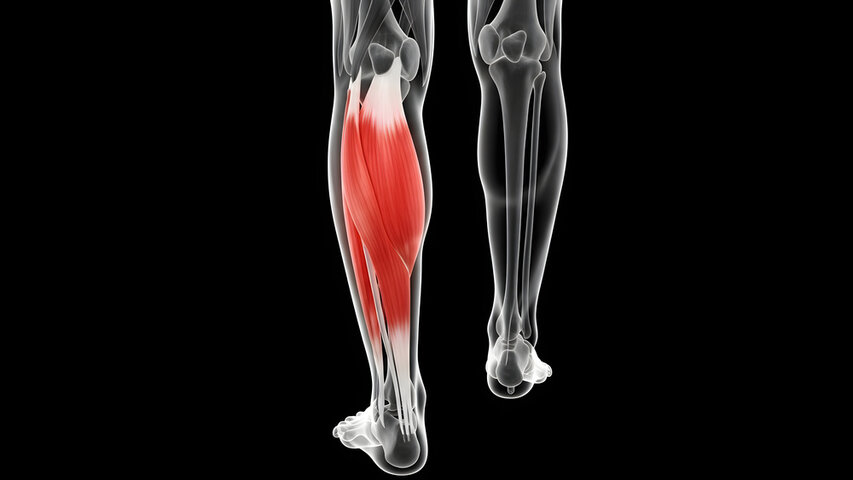
When talking about the circulatory system, our attention almost always goes to the heart. However, did you know that there is another part of the body that plays an important role in helping the heart’s work, especially in circulating blood from the legs upward? That part is the calf muscles, often referred to as the “second heart” of the human body.
Why Are Calf Muscles Called the Second Heart?
Blood flowing to the legs must return to the heart against gravity, especially when the body is in a standing or upright sitting position. Unlike arterial blood vessels that receive a direct push from the heart’s pump, venous vessels do not have that much pressure, so they need another mechanism to keep blood flow smooth. This is where the calf muscles play a key role in helping blood flow from the lower limbs back to the heart.
Challenges of Blood Flow from Legs to Heart
The lower body is the farthest area from the heart. As a result, venous blood in the legs can be more easily trapped and flow slowly, especially when someone:
- Rarely moves
- Sits or stands for too long
- Has weak calf muscles
Without additional help, blood may accumulate in the leg veins and disrupt circulation as a whole.
Calf Muscle Pump Mechanism
Each time you walk, run, climb stairs, or simply stand on tiptoe, the calf muscles contract and relax alternately. These movements create a mechanical pump effect:
- Contraction of the calf muscles presses the surrounding venous blood vessels
- Blood is pushed upward toward the heart
- One-way venous valves prevent blood from flowing back downward
This system works automatically, continuously, and very effectively as long as we stay active.
What Happens If Calf Muscles Are Rarely Used?
A sedentary lifestyle, sitting too long, or rarely moving can weaken the calf muscle pump. As a result, various health problems may appear, such as:
- Legs easily feel sore and heavy
- Swelling in the ankles
- Varicose veins
- Poor blood circulation
- Increased risk of blood clots (Deep Vein Thrombosis)
This risk is higher among office workers, the elderly, people with diabetes, and post‑operative patients.
How to Keep Calf Muscles Healthy
Good news — maintaining the health of this “second heart” is quite simple:
- Move regularly: A 30‑minute walk per day greatly helps calf muscle function
- Do calf exercises: Simple movements like tiptoeing can effectively activate venous pumps
- Avoid sitting too long: If you must sit for long periods, stretch your legs every hour
- Maintain ideal body weight: Excess weight adds extra pressure on leg blood vessels
- Monitor medical conditions: People with heart disease, diabetes, or vascular problems need regular check‑ups
Take Care of the First Heart, Protect the Second Heart
Heart health is not only dependent on the organ in the chest, but also on the calf muscles that work unconsciously every day. By keeping your legs active and healthy, you help lighten the workload on your heart.
RS Premier Jatinegara is ready to support you in maintaining heart and vascular health comprehensively, from the first step to achieving a better quality of life.
FAQ
Do all people have the same second‑heart function?
No. This function is influenced by physical activity level, age, vascular condition, and certain diseases such as diabetes or heart disorders.
Is walking enough to keep calf muscles healthy?
Yes. Regular walking helps activate the calf muscles and improves blood circulation.
Are calf muscles really the second heart?
Calves are not just muscles for walking. In the fields of cardiology and phlebology, calves are called the “Second Heart,” a pump that helps return blood to the heart against gravity.
Hubungi Kami
Untuk informasi & buat janji temu Dokter

dr. Ihza Fachriza, Sp.B, SubSp.BVE(K)
Vascular and Endovascular Surgery View Schedule| Loading data... |
|---|