+62 811-1300-9840


Long-Distance Homecoming: Sitting Too Long, Swollen Legs, and the Risk of Deep Vein Thrombosis (DVT)
27 February 2026
3 min read


By: dr. Saleh Harris, Sp.B, Subsp.BVE(K)

Traveling home for the holidays is exciting, but there is a “hidden risk” that many people forget: sitting still for too long in a car, bus, train, or airplane. Long trips, usually lasting more than 4 hours, can increase the risk of blood clots forming in the leg veins for some people. The good news is that preventing DVT during long trips can be done with simple, hassle-free steps.
What Is DVT and Why Does It Happen During Long Trips?
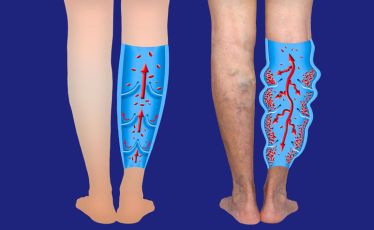
DVT is a blood clot that forms in the deep veins, usually in the calf or thigh. When we sit for long periods and rarely move our legs, blood flow can slow down, increasing the risk of clot formation, especially in people with certain risk factors.
DVT Symptoms You Must Recognize
Symptoms of DVT in the legs can include:
- Throbbing pain in one leg (often the calf/thigh), worse when standing or walking
- Swelling in one leg
- Warm skin in the painful area
- Redness or discoloration of the skin
DVT can occur without obvious symptoms, which is why prevention is more important.
The Greatest Danger: When a Blood Clot Travels to the Lungs
DVT can become dangerous if the clot breaks loose and travels to the lungs, causing a pulmonary embolism. Warning signs include:
- Sudden shortness of breath
- Chest pain, especially when inhaling
- Bloody cough
- Fainting
- Heart palpitations
Who Is at Higher Risk During Long-Distance Travel?
The risk of developing blood clots increases in people who:
- Have had DVT or pulmonary embolism before
- Recently had surgery, injury, or have been immobile for a long time
- Are pregnant or recently gave birth
- Use certain hormone therapies, such as estrogen
- Have obesity, smoke, or are elderly
- Have cancer or certain medical conditions
How to Prevent DVT During Long Trips
Move regularly
Try to stand and walk every 1–2 hours during long trips. If you can’t get up, move your legs in place by lifting your heels and toes alternately to improve blood flow.
Avoid positions that restrict blood flow
Do not cross your legs for too long, and make sure your clothing is not too tight around the thighs or abdomen.
Stay hydrated
Drink enough water to avoid dehydration, as lack of fluids can increase the risk of blood clot formation.
Use compression socks if necessary
For people at high risk, compression socks can help maintain smooth blood flow. Choose the correct size and use them according to your doctor’s recommendation.
FAQ
How many hours of travel increase the risk of a blood clot?
The CDC states that travel lasting more than 4 hours (car/bus/train/plane) can increase the risk of blood clots for some people.
What is the most important way to prevent DVT during long trips?
Move your legs or walk every 1–2 hours when possible.
What are the symptoms of DVT?
Typically throbbing pain in one leg, swelling in one leg, warmth, and redness/discoloration.
Contact us
For information and make an appointment

dr. Saleh Harris, Sp.B, SubSp.BVE(K)
Vascular and Endovascular Surgery View Schedule| Loading data... |
|---|