+62 811-1300-9840


Atopic Dermatitis in Children: Why Is the Skin Barrier a Crucial Foundation for Treatment?
09 October 2026
3 min read


By: dr. Danny Surya, Sp.DVE - Dermatologist and Venereologist
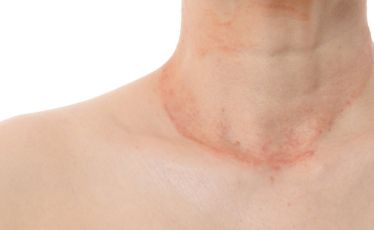
A child's skin that appears dry, red, and frequently itchy might seem like a common skin issue. However, if these symptoms recur and disrupt the child's comfort, the condition could be a sign of Atopic Dermatitis (AD).
Atopic dermatitis is a chronic inflammatory skin disease characterized by alternating periods of flare-ups and improvement. A crucial aspect of managing the condition is the skin barrier—the protective layer that helps retain moisture while shielding the skin from various external factors.
So, why is the skin barrier a fundamental element in the treatment of atopic dermatitis in children?
Understanding Atopic Dermatitis in Children
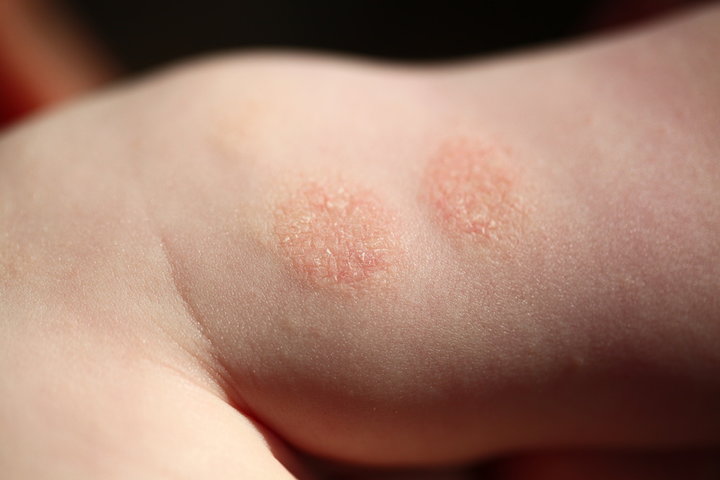
Atopic dermatitis (AD) is a chronic inflammatory skin disease generally characterized by itching, dry skin, redness, and the appearance of rashes or skin lesions. It can affect people of all ages, including infants and children.
Atopic dermatitis involves cycles of flare-ups and remission (periods when symptoms improve). The severity and location of the skin issues can vary from child to child.
Itching is a particularly troublesome symptom. For some children, the itchiness can interfere with sleep and daily activities, leading them to constantly scratch the affected areas.
Consequently, managing atopic dermatitis involves not only treating symptoms during flare-ups but also maintaining skin health during the intervals between them.
What Is the Skin Barrier?
Simply put, the skin barrier is the skin's outermost protective layer; it helps retain moisture within the skin while simultaneously protecting the body from various environmental exposures.
In atopic dermatitis, skin barrier function can be compromised. One contributing factor is alterations in skin proteins—such as filaggrin—which play a key role in maintaining moisture and the structural integrity of the skin layers.
When skin barrier function is impaired, the skin loses more water. This condition is known as transepidermal water loss (TEWL)—the process by which water escapes from the skin into the environment through the epidermis.
Consequently, the skin becomes drier, more sensitive, and prone to irritation. A compromised skin barrier also makes the skin more vulnerable to environmental factors that can trigger or worsen inflammation.
The Skin Barrier and the Itch-Scratch Cycle
Skin barrier impairment and inflammation in atopic dermatitis are closely linked to the sensation of itching.
When the skin itches, a child’s natural response is to scratch. However, repeated scratching can damage the skin layers and exacerbate inflammation.
This situation can create an "itch-scratch cycle":
Dry skin and impaired skin barrier → itching → scratching → further skin barrier damage → increased inflammation → itching returns.
Controlling this cycle is a crucial part of managing atopic dermatitis.
Therefore, treating atopic dermatitis involves more than just alleviating itchiness; it also requires repairing and maintaining skin barrier function and controlling inflammation.
Why Is Skin Barrier Repair Important in Atopic Dermatitis?
Since skin barrier dysfunction is a key component of atopic dermatitis, repairing the skin barrier—or efforts to restore and maintain the skin's protective function—is a fundamental part of treatment.
A primary step is maintaining skin moisture through the regular use of emollients or moisturizers.
Moisturizers help increase and retain skin hydration while supporting skin barrier function. Well-hydrated skin is more comfortable and less prone to dryness or irritation.
It is important to note that skin barrier care should not be limited to times when the condition is flaring up; consistent skincare is necessary even when symptoms are improving.
The type of moisturizer used can be tailored to the child's skin condition and the individual patient's needs. A doctor can help determine the appropriate treatment choice.
Daily Skincare for Children with Atopic Dermatitis
In addition to using moisturizers, daily habits also play a role in maintaining the skin barrier.
Here are some points for parents to consider:
- Pay attention to bath temperature and duration: Use water that is not too hot and avoid bathing for too long, as this can further dry out the skin.
- Choose a gentle skin cleanser: Use cleansing products suitable for sensitive skin and avoid ingredients that may trigger irritation in the child.
- Use moisturizer regularly: Moisturizer can be applied after bathing and whenever the skin feels dry. Consistent use helps maintain skin moisture.
- Choose comfortable clothing: Soft clothing that does not irritate the skin can help reduce discomfort for the child.
- Identify triggers: Each child may have different factors that aggravate their condition. Parents can observe symptom patterns and discuss them with a doctor.
This care is part of a basic skincare routine that can be performed at home as part of managing atopic dermatitis.
What Happens During an Atopic Dermatitis Flare-up?
During a flare-up, the skin may exhibit redness, itching, and more pronounced inflammation.
In such cases, a doctor may prescribe treatment to control the inflammation. One commonly used treatment is topical corticosteroids (TCS)—anti-inflammatory medications applied directly to the skin.
The choice of medication type and potency must be tailored to various factors, such as the child's age, the location of the skin lesions, the severity of the condition, and the patient's overall health. Depending on the specific situation, the doctor may also consider other topical therapies or systemic treatments based on the patient's needs.
Medication for children should be administered according to a doctor's recommendations. Parents are advised against independently determining the type, potency, frequency, or duration of medication use without prior consultation.
Atopic Dermatitis Requires Consistent Care
Atopic dermatitis is a condition characterized by alternating phases of flare-ups and improvement. Therefore, treatment should not stop once symptoms have subsided.
In general, the management of atopic dermatitis may involve several aspects:
- Skin barrier repair: Maintaining moisture and helping to preserve the skin's protective function.
- Inflammation control: Addressing inflammation through therapeutic options tailored by a doctor.
- Avoiding triggers: Identifying factors known to trigger or worsen the child's symptoms.
- Basic skin care: Routinely maintaining skin cleanliness and moisture in daily life.
A comprehensive approach is necessary to ensure that treatment does not merely focus on visible symptoms but also helps maintain the skin's condition in the long term.
When Should a Child with Atopic Dermatitis Be Examined?
Parents should consult a doctor if:
- Itching interferes with the child's sleep or activities.
- The rash or skin condition frequently recurs.
- The skin becomes increasingly red, swollen, or painful.
- Sores develop due to scratching.
- Fluid, pus, or crusts appear on the skin, potentially indicating an infection.
- Symptoms do not improve despite home skin care.
- Parents need guidance on the use of medications or skin care products.
A medical examination is necessary to confirm the diagnosis, assess severity, and determine the appropriate treatment for each child's specific condition.
FAQ (Frequently Asked Questions)
Can atopic dermatitis in children be cured?
Atopic dermatitis is a chronic skin condition characterized by periods of flare-ups and improvement. For some children, symptoms may diminish as they get older. However, skin care and symptom management remain important to help control flare-ups.
Does dry skin always mean a child has atopic dermatitis?
Not necessarily. Dry skin can be caused by various factors. Atopic dermatitis is usually accompanied by other signs and symptoms, such as itching, redness, rashes, or recurring inflammation. A diagnosis should be made by a doctor.
Why do children with atopic dermatitis often experience itching?
In atopic dermatitis, a compromised skin barrier can make the skin drier and more susceptible to irritation. The inflammatory process can also trigger itching. When a child scratches, the skin condition can worsen, creating an "itch-scratch cycle."
Should children with atopic dermatitis use moisturizer every day?
Moisturizer is a crucial part of basic atopic dermatitis care because it helps retain moisture and supports skin barrier function. It generally needs to be applied regularly, even when the skin condition is improving. The type of moisturizer used can be tailored to the child's skin condition and the doctor's recommendations.
Is the use of medication for atopic dermatitis safe for children?
Atopic dermatitis therapy must be tailored to the child's age, the location and severity of the skin condition, and the individual patient's needs. Therefore, medication use—including the type, dosage, frequency, and duration—should be based on a doctor's advice.
When should a child with atopic dermatitis see a doctor? A child should be examined if itching interferes with sleep or daily activities, skin issues frequently recur, sores develop from scratching, fluid or pus is present on the skin, or symptoms do not improve with home care. A medical examination can help determine the diagnosis and appropriate treatment.
Maintaining the Skin Barrier: A Key Aspect of Atopic Dermatitis Care
Atopic dermatitis in children requires ongoing attention and care. Maintaining and repairing the skin barrier is a fundamental element of managing the condition, alongside controlling inflammation and maintaining a daily skincare routine.
With proper and consistent care, parents can help maintain their child's skin health, alleviate discomfort caused by itching, and support their child's quality of life and daily activities.
If your child experiences dry, itchy, or red skin, or has recurring skin issues, do not hesitate to consult a doctor.
Contact us
For information and make an appointment

dr. Danny Surya, Sp.DVE
Dermatology Venereology and Aesthetic View Schedule| Loading data... |
|---|