+62 811-1300-9840


Could Persistent, Recurring Scaly Skin Be Psoriasis?
20 October 2026
3 min read


By: dr. Atika Damayanti, Sp.DVE - Dermatology, Venereology, and Aesthetics
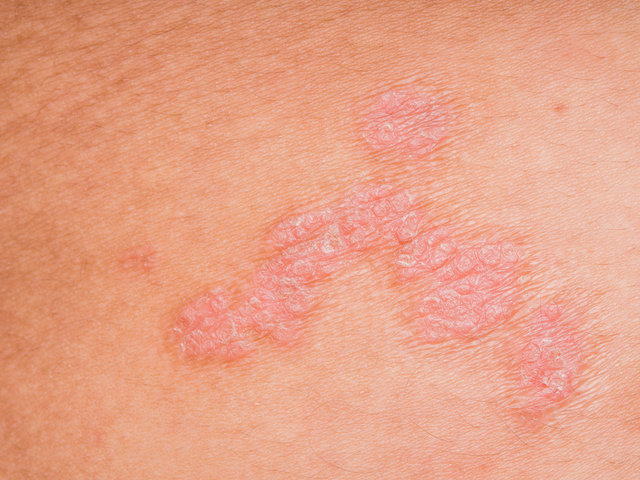
Skin that feels itchy, appears red, and is scaly is often mistaken for simple dry skin or irritation. However, if these symptoms keep recurring, fail to improve, or persist in specific areas, psoriasis is one condition that should be considered.
Psoriasis is a chronic inflammatory skin disease linked to the immune system. It can cause patches of skin to become thickened, red, and scaly, and the condition may go through periods of improvement followed by flare-ups.
Because its symptoms can resemble those of other skin conditions, a diagnosis of psoriasis should not be based solely on the appearance of the skin. A medical examination is necessary to determine the underlying cause and establish an appropriate treatment plan.
What Is Psoriasis?
Psoriasis is a chronic inflammatory disease associated with the immune system. In this condition, the process of skin cell formation accelerates, causing cells to accumulate on the surface and form thickened, scaly patches.
Psoriasis can affect both men and women and may appear at any age.
The condition is not contagious; it cannot be spread through touch, the sharing of personal items, or physical contact with an affected individual.
Psoriasis is a long-term condition prone to flare-ups. Consequently, its management must be tailored to the specific needs and the severity of the condition in each individual patient.
How Can You Distinguish Psoriasis from Ordinary Dry Skin?
Both dry skin and psoriasis can cause itching, a rough skin texture, and a scaly appearance.
Ordinary dry skin typically presents as flaking and often improves with the use of an appropriate moisturizer. In contrast, psoriasis tends to manifest as thicker patches with well-defined edges, accompanied by a buildup of scales.
However, these differences are not definitive criteria for a diagnosis. Eczema, dermatitis, and various other skin conditions can also present with similar symptoms.
Therefore, recurring scaly skin should not be automatically assumed to be psoriasis—or merely dry skin—without a proper medical examination.
What Signs of Psoriasis Should You Look Out For?
Symptoms of psoriasis can vary from person to person, depending on the type, location, and severity of the condition.
Some signs that may be observed include:
- Reddish, thickened patches: Areas of skin may appear inflamed, thickened, and have fairly well-defined borders.
- Scales on the skin surface: The patches may be covered by silvery-white scales that appear to accumulate.
- Itching, burning, or pain: Some people experience itching, discomfort, a burning sensation, or pain in the affected areas.
- Dry and cracked skin: In certain cases, the skin can become so dry that it cracks and may even bleed.
- Changes to the nails: Psoriasis can also affect the nails, potentially causing small pits, discoloration, or thickening of the nails, or even causing them to detach from the nail bed.
Psoriasis patches are commonly found on the elbows, knees, scalp, and lower back, but they can appear on other parts of the body, including skin folds.
Why Can Psoriasis Flare Up?
Psoriasis is linked to the immune system's response and genetic factors. In individuals predisposed to psoriasis, certain factors can trigger the onset of symptoms or worsen an existing condition.
Triggers can vary from person to person. Some contributing factors include:
- Stress: Emotional pressure can be a trigger for flare-ups in some people.
- Certain infections: Some infections, including streptococcal throat infections, can trigger specific types of psoriasis.
- Skin injury or irritation: Wounds, scratches, insect bites, or irritation can lead to the appearance of lesions in specific areas.
- Certain medications: Some types of medication can affect the state of psoriasis in certain individuals.
- Smoking and alcohol consumption: Both can be linked to an increased risk or worsening of psoriasis.
Recognizing patterns of recurrence and factors associated with the onset of symptoms can assist in long-term management.
Why Should Nail Changes and Joint Issues Be Discussed with a Doctor?
Psoriasis does not manifest solely as skin patches; some patients may also experience changes to their nails.
If skin issues are accompanied by nail changes, or by pain, swelling, or stiffness in the joints, this information should be shared during a consultation, as it may influence the overall assessment of the condition.
Do not wait for symptoms to become severe—especially if they begin to interfere with your daily activities or appear in more than one part of your body.
How Do Doctors Determine Psoriasis Treatment?
Treatment for psoriasis varies from patient to patient. A doctor will consider the location of the skin lesions, the extent of the affected area, the severity of the condition, the specific symptoms experienced, and the patient's response to previous therapies.
Treatment options may include:
- Topical medications: Topical treatments can help reduce inflammation and the buildup of skin cells. The specific type and method of application should be tailored to the location and severity of the psoriasis.
- Moisturizers: Moisturizers help maintain skin hydration, reduce dryness, and promote skin comfort.
- Phototherapy: In certain cases, a doctor may recommend phototherapy—the use of ultraviolet light—administered under medical supervision and at appropriate doses.
- Systemic medications or biologic therapies: For moderate to severe psoriasis, or when other treatments have not yielded sufficient results, a doctor may consider therapies that target the immune system, including biologic therapies, as indicated.
In addition to medical treatment, patients are advised to avoid known triggers, use gentle skincare products, and refrain from scratching or forcibly peeling off scales.
Treatment should follow a doctor’s recommendations; it should not be stopped or altered independently without prior consultation.
When Should You Seek Medical Attention for Psoriasis?
You should consider a consultation if red patches and scales do not improve or keep recurring, if itching or pain begins to interfere with your daily activities, if the condition spreads, if there are changes to your nails, or if you experience pain, swelling, or stiffness in your joints.
A doctor will evaluate your symptoms, medical history, and skin condition to help establish a diagnosis and determine appropriate treatment options. In some cases, additional examinations may be required to distinguish psoriasis from other skin conditions.
If redness spreads rapidly, if peeling occurs across nearly the entire body, or if these symptoms are accompanied by a fever and a general deterioration in your physical condition, seek medical attention immediately.
FAQ (Frequently Asked Questions)
Is psoriasis contagious?
No. Psoriasis is not a contagious disease; it cannot be transmitted through touch, physical contact, or the shared use of personal items.
Can psoriasis be completely cured?
Psoriasis is a chronic condition for which there is currently no permanent cure. However, its symptoms can be managed effectively with appropriate therapy.
Is psoriasis the same as eczema?
No. Psoriasis and eczema are distinct skin conditions, even though both can cause itching and inflammation. A medical examination is necessary to differentiate between the two.
Does psoriasis only appear on the elbows and knees?
No. Psoriasis can manifest on various parts of the body, including the scalp, back, skin folds, palms, soles of the feet, and nails.
Can psoriasis recur?
Yes. Psoriasis symptoms may improve and then flare up again. Since triggers can vary from person to person, long-term management must be tailored to each individual's specific situation.
When should you see a doctor for psoriasis?
You should seek a consultation if you experience persistent or recurring scaly or itchy skin that does not improve, spreads, or interferes with your daily activities. It is also important to get checked if you notice changes to your nails or experience any joint-related issues.
Don’t Assume All Scaly Skin Is Just Ordinary Dry Skin
Scaly, itchy skin that keeps recurring is not always caused by simple dryness. Psoriasis is one condition that should be considered, especially if the symptoms persist or frequently flare up.
Because psoriasis can present differently and vary in severity from person to person, a medical examination is essential to confirm the diagnosis and determine the appropriate treatment options.
If you are experiencing persistent or recurring skin issues, consult a dermatologist (specialist in dermatology, venereology, and aesthetics) at RS Premier Jatinegara for an evaluation and treatment recommendations tailored to your specific skin condition.
Contact us
For information and make an appointment

dr. Atika Damayanti, Sp.DVE
Dermatology Venereology and Aesthetic View Schedule| Loading data... |
|---|