+62 811-1300-9840


Chest Pain in Young People: When Should You Go to the Emergency?
27 November 2025
3 min read


by: dr. Fajar Wicaksono (General Practitioner / Medical Perfusionist)
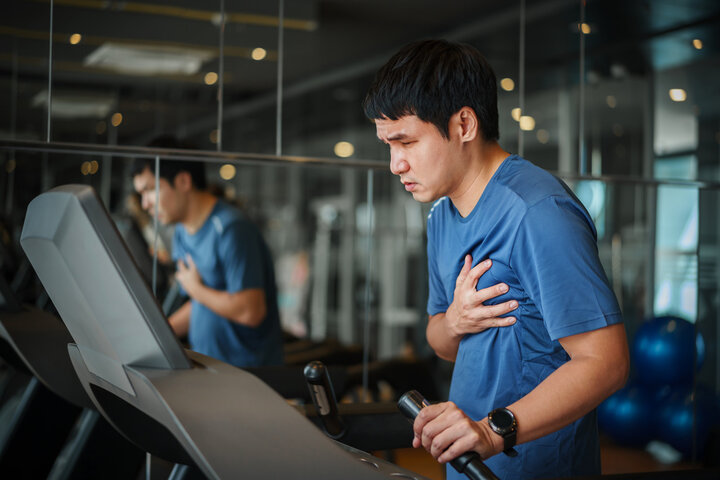
Chest pain isn't just a symptom of the elderly. Many young people aged 20-40 also experience this symptom, ranging from pressure and burning to sharp pain in the chest area. While often dismissed as trivial, this complaint should be addressed as it can be a sign of a serious condition requiring immediate treatment in the Emergency Department (ER).
When Should Chest Pain Be Examined Immediately by a Doctor?
Go to the emergency immediately if chest pain is accompanied by:
- Severe pain, feeling like pressure or radiating to the left arm, jaw, or back
- Shortness of breath or shortness of breath
- Cold sweats, nausea, vomiting, or fainting
- Pain that doesn't go away after rest and lasts more than a few minutes
- Pain appears suddenly during physical activity
- Pain that worsens when breathing, is accompanied by a severe cough or coughing up blood
These symptoms may be related to serious conditions such as a heart attack, pulmonary embolism, pneumothorax, or heart inflammation.
Common Causes of Chest Pain in Young People
Chest pain doesn't always indicate a heart problem. Some common causes include:
- Muscle Strain or Injury. This usually occurs after strenuous exercise or intense physical activity. The pain is felt when the body moves or when taking a deep breath.
- Gastroesophageal Reflux Disease (GERD), which causes a burning sensation in the chest, especially after a large meal or while lying down.
- Stress and Panic Attacks, which are characterized by chest pain, palpitations, rapid breathing, trembling, and a feeling of losing control.
- Lung Problems, such as pneumonia, pleurisy, or pneumothorax. The pain is usually sharp and worsens with deep breathing.
- Heart Problems. Although less common in people aged 20-40, they can still occur, especially if there are risk factors such as smoking, obesity, or a family history.
What's Done in the Emergency Room?
When you arrive at the emergency room complaining of chest pain, the doctor will perform the following:
- Check vital signs (blood pressure, pulse, oxygen saturation, breathing)
- ECG to assess the heart's electrical activity
- Troponin blood test to check for heart muscle damage
- Chest X-ray or CT scan to assess the condition of the lungs and heart
- The goal is to determine whether the condition is life-threatening and determine treatment as quickly as possible.
Who is at High Risk for Serious Chest Pain?
- Family history of heart disease, especially at a young age
- Smoking habits
- Hypertension
- Diabetes Mellitus
- Dyslipidemia/high cholesterol levels
- Obesity
- Unhealthy lifestyle and chronic stress
Conclusion
Chest pain in people aged 20-40 is often caused by harmless causes such as muscle tension or acid reflux. However, if it's severe, occurs suddenly, and is accompanied by shortness of breath, dizziness, or cold sweats, the safest course of action is to go to the emergency room immediately.
Contact us
For information and make an appointment