+62 811-1300-9840


Installing a Heart Stent or Bypass Is Not the End of Heart Treatment
15 January 2026
3 min read


By: dr. Muhammad Zaini, Sp. JP(K)

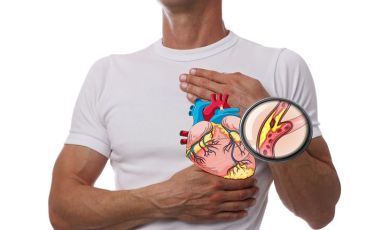
Stent placement or bypass surgery are important medical procedures to open and improve blood flow to the heart. However, it's important to understand that these procedures aren't the end of the heart disease treatment journey. Many patients assume that after stents or bypass surgery, their heart is "completely cured." However, long-term success depends heavily on post-surgical care and lifestyle changes.
What Are Heart Stent Implantation and Bypass Surgery?
Heart stent implantation and heart bypass surgery are two medical procedures that aim to address narrowing or blockages in the heart's blood vessels due to fat or plaque buildup.
Heart stent implantation
This is performed through a cardiac catheterization procedure, which involves inserting a catheter through a blood vessel in the arm or thigh to the heart. A stent is then placed in the narrowed area.
Heart bypass surgery
This surgical procedure involves creating a new pathway for blood flow using blood vessels from another part of the body, such as the chest or legs, to bypass the blocked heart artery.
Stent or Bypass Implantation Does Not Mean a Complete Cure for Heart Disease
Stent placement or bypass surgery does not indicate a complete cure for heart disease. Coronary heart disease is chronic and progressive, requiring long-term management and care to prevent recurrence and future complications. This condition is often related to an uncontrolled lifestyle or non-compliance with treatment.
The Importance of Medication Compliance After Heart Surgery
After stent placement or bypass surgery, your doctor will prescribe several medications that play a vital role in maintaining heart health. These medications aim to:
- Prevents re-blockage of blood vessels
- Maintains smooth blood flow
- Controls cholesterol, blood pressure, and blood sugar
- Reduces the risk of recurrent heart attacks
These medications should not be stopped without a doctor's advice, even if symptoms improve. In many cases, long-term, even lifelong, medication is required, subject to medical evaluation.
Lifestyle Changes to Maintain Heart Health
In addition to medication, lifestyle changes are an important part of post-stent or bypass care. Some things to consider include:
- Healthy diet
- Limit consumption of foods high in saturated fat, cholesterol, sugar, and salt. Increase consumption of vegetables, fruit, fish, and high-fiber foods.
- Regular physical activity
Do light to moderate exercise as recommended by your doctor. Physical activity helps maintain heart health and control risk factors. - Quit smoking
Smoking can accelerate re-blockage of blood vessels, even after stenting or bypass surgery. - Manage stress and get enough rest
Prolonged stress can affect heart health and increase the risk of recurrence.
Be Aware of Symptoms After Stent or Bypass Implantation
Complaints that arise after heart stent placement or bypass surgery should not be ignored. Seek medical attention immediately if:
- Chest pain
- Shortness of breath
- Fatigue
- Heart palpitations
- Dizziness or cold sweats
If symptoms appear within a few months of the procedure, immediately go to the nearest hospital emergency room or return to Premier Jatinegara Hospital for further evaluation.
The Importance of Routine Cardiology Checkups
Routine checkups allow your doctor to:
- Evaluate your heart condition
- Adjust medication dosages
- Detect early signs of re-narrowing.
- Provide guidance on safe and healthy activities and lifestyle choices.
Implantation of a heart stent or bypass surgery is a crucial step in saving lives, but post-procedure care is key to ensuring long-term results.
If you or your family experience any concerns after stent placement or bypass surgery, don't delay consulting a cardiologist.
Premier Jatinegara Hospital offers comprehensive cardiac and cardiac surgery services, combining state-of-the-art medical technology, experienced specialists, and a commitment to providing care that prioritizes patient safety, comfort, and optimal recovery.
FAQ
1. How long should medication be taken after stent or bypass surgery?
In many cases, medication needs to be taken long-term, even lifelong, depending on the condition and the doctor's evaluation.
2. Can re-blockage still occur after stent or bypass surgery?
Yes, the risk of re-blockage is very possible after stent or bypass surgery, either in the same location or in another blood vessel, because stenting/bypass surgery is not a definitive solution, especially if medication is not taken regularly and lifestyle is not controlled.
3. How important are regular check-ups with a cardiologist?
Very important. Regular check-ups help monitor heart condition, adjust treatment, and detect problems early.
Contact us
For information and make an appointment

| Loading data... |
|---|