+62 811-1300-9840


Persistent Toothache? It Could Be a Sign You Need Root Canal Treatment
28 April 2026
3 min read


By: drg. Citra Kusumasari, Sp.KG (K), Ph.D
Toothache is one of the most common complaints experienced by many people. The pain can appear suddenly, throbbing, and come and go, even disrupting daily activities such as eating, talking, and sleeping.
However, if the toothache persists despite taking medication, this condition could be a sign of a more serious problem within the tooth: an infection of the tooth's nerve and blood vessel chamber, specifically the pulp chamber or root. In certain circumstances, a dentist may recommend root canal treatment to save the affected tooth.
What is Root Canal Treatment?
Root canal treatment is a procedure to clean infected or damaged nerve and blood vessel tissue and infect the root canal. Then, the root canal is sealed to prevent the infection from spreading, and the damaged crown of the tooth is covered with a suitable permanent filling.
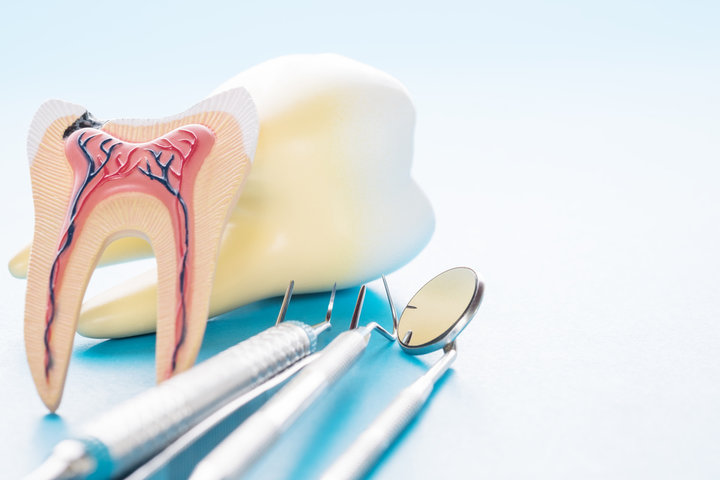
Inside the tooth is a soft tissue called the pulp, which contains nerves and blood vessels. If the pulp becomes infected due to a deep cavity, trauma, or a crack in the tooth, it can cause quite severe pain.
The Purpose of Root Canal Treatment
Root canal treatment aims to eliminate bacteria from the infected root canal, prevent re-infection, and preserve as much of the natural, healthy tooth structure as possible.
Signs of Toothache That Require Root Canal Treatment
- Severe, throbbing toothache
- Teeth are very sensitive to hot or cold
- Swollen gums around the tooth
- Tooth discoloration
- Pain when chewing or pressing on the tooth
Important Facts About Root Canal Treatment
Root canal treatment is a common procedure performed to save teeth with infected pulp tissue. Some things patients should know include:
- This procedure aims to eliminate infection and preserve the natural tooth for as long as possible.
- With modern dental techniques and local anesthesia, root canal treatment is generally less painful than a traditional filling.
- A tooth that has undergone root canal treatment can return to normal function after proper restoration.
- With proper care, the tooth can last for years, even a lifetime.
Causes of Dental Nerve Infections
Dental nerve infections can be caused by several conditions, including:
- Untreated cavities
- Damaged or leaking fillings
- Cracked or broken teeth
- Dental injuries due to impact
- Long-standing untreated infections
Why Shouldn't a Tooth Be Extracted Immediately?
In many cases, an infected tooth can still be saved through root canal treatment, taking into account several medical considerations.
Keeping your natural tooth has several advantages, such as:
- Helps maintain optimal chewing function
- Maintains stable tooth alignment
- Prevents shifting of surrounding teeth
- Maintains jawbone health.
How to Prevent Tooth Nerve Infection
- Brush your teeth at least twice a day with fluoride toothpaste.
- Floss between your teeth.
- Reduce your consumption of sugary foods and drinks.
- Have regular dental checkups every 6 months.
- See your dentist immediately if you experience pain or sensitivity.
If you're experiencing persistent toothache, don't delay a checkup. Early treatment can help save your natural tooth and prevent more serious complications.
FAQ
Can root canal treatment be performed in one visit?
It depends on the severity of the tooth's condition and the patient's healing response. Some cases can be completed in one visit, but others require multiple treatment stages.
How long do teeth last after root canal treatment?
If properly cared for, teeth that have undergone root canal treatment can last for years, even a lifetime.
Can you still chew after root canal treatment?
Yes. Once the treatment is complete and the tooth is sealed with a filling or crown, you can resume normal chewing.
Is root canal treatment painful?
No. The procedure is performed under local anesthesia, numbing the area. Most patients experience a level of comfort similar to a dental filling.
How long is the recovery time after treatment?
Most patients can return to normal activities the same day after the procedure. However, they may experience some sensitivity for a few days.
Contact us
For information and make an appointment

| Loading data... |
|---|