+62 811-1300-9840


Frequently Drinking Bottled Milk Before Bed? Beware of Early Childhood Caries in Children
31 March 2026
3 min read


By: Dr. drg. Eva Fauziah, Sp.KGA,Subsp.PKOA(K)
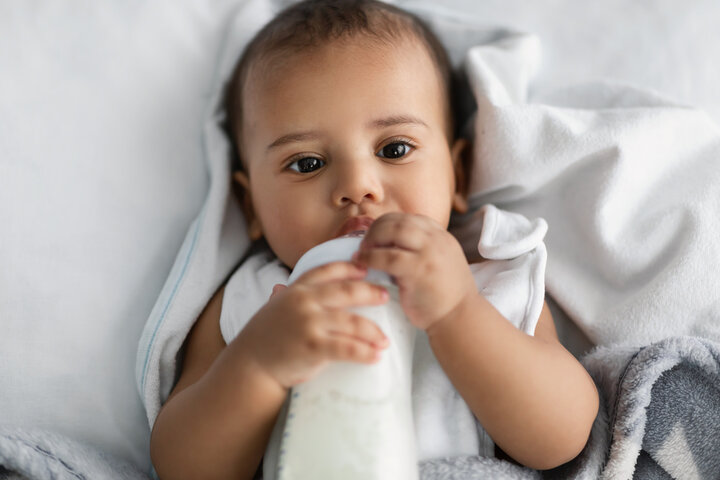
The term "Nursing Bottle Caries" was previously often used to describe tooth decay in infants and young children related to the habit of bottle-feeding, especially before bedtime. However, with the advancement of pediatric dentistry, the term is now more widely known as Early Childhood Caries (ECC).
The term "Early Childhood Caries" is used because tooth decay in young children is not only caused by bottle use, but is also influenced by various other factors such as the habit of consuming sweet foods and drinks, poor dental hygiene, and repeated exposure to sugar.
What is Early Childhood Caries (ECC)?
Early Childhood Caries (ECC) is tooth decay that occurs in infants and children aged 7-1 months or under 6 years, due to caries in primary teeth. ECC is characterized by the presence of one or more decayed teeth, either in the form of early lesions, cavities, missing teeth due to caries, or filled teeth.
This condition often occurs in children who habitually drink sweet drinks such as milk, juice, or other sweetened beverages with a bottle at bedtime or before bedtime.
When a child falls asleep while drinking from a bottle, the sugary liquid can linger on the surface of the teeth. Bacteria in the mouth then utilize the sugars in this liquid to produce acids that can damage the surface layer of tooth enamel and trigger caries.
Some habits that can increase the risk of early childhood caries include:
- The habit of drinking milk from a bottle before bed without brushing teeth afterward
- Children falling asleep with a bottle still in their mouth
- Consuming sweet foods or drinks too often
- Poor oral hygiene in children
- Lack of early tooth brushing habits
Early Childhood Caries Signs to Watch Out For
In the early stages, ECC often goes unnoticed by parents until the child complains of pain. However, the following signs can be a warning sign:
- Muncul bintik putih atau kecokelatan pada gigi anak
- Gigi terlihat menguning atau menghitam
- Permukaan gigi menjadi kasar atau rapuh
- Anak mulai mengeluhkan nyeri pada gigi
- Gigi tampak berlubang atau patah.
The Impact of Early Childhood Caries on Children's Health
Tooth decay in children not only affects their appearance but can also impact their overall health, such as:
- Children find it difficult to eat due to tooth pain.
- Impaired nutritional intake and growth.
- Risk of infection in the tissues surrounding the teeth.
- Impaired growth and development of permanent teeth.
- Impaired speech and self-confidence in children.
How to Prevent Early Childhood Caries
- Avoid giving your child a bottle of milk before bed.
- If your child drinks milk before bed, clean their teeth and mouth afterward.
- Limit their consumption of sugary foods and drinks.
- Get your child used to drinking from a cup as they get older.
- Teach them the habit of brushing their teeth twice a day with fluoride toothpaste.
- Take your child to the dentist regularly from an early age, at least every six months.
Maintaining children's dental health from an early age is crucial for optimal growth and development. By avoiding bottle-feeding at bedtime, maintaining good oral hygiene, and having regular dental checkups, the risk of early childhood caries can be minimized.
FAQ
Can milk cause cavities in children?
If a child drinks milk without cleaning it, the milk residue that remains on the surface of the teeth for a long time, especially when the child falls asleep without brushing their teeth, bacteria in the mouth can convert the sugars into acids that can damage the tooth surface and cause caries.
At what age does early childhood caries usually occur?
Early childhood caries can begin to occur between the ages of 0 and 71 months. The risk of developing ECC is higher in children who frequently use a bottle to sleep and do not maintain good oral hygiene.
Do cavities in baby teeth need to be treated?
Yes, baby teeth need to be treated. Although baby teeth will be replaced by permanent teeth, they play an important role in eating, speaking, and maintaining space for permanent teeth. If left untreated, caries in baby teeth can cause pain, infection, and interfere with the growth and development of permanent teeth.
Contact us
For information and make an appointment