+62 811-1300-9840


Shortness of night & "sniffling" breath? It could be Asthma
27 February 2026
3 min read


By: dr. Syahrizal, Sp.PD, Subsp.A.I (K)
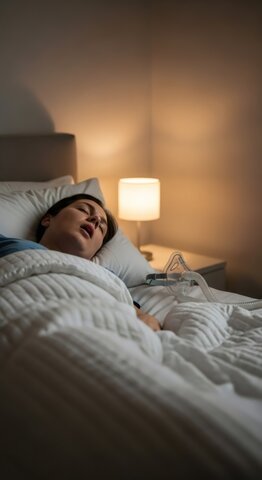
Have you ever woken up in the middle of the night coughing, chest tightness, or wheezing? These complaints are often dismissed as just a cold or the remnants of the flu. However, the pattern of shortness of breath that occurs from night to early morning is one of the hallmarks of asthma. In many cases, symptoms come and go, and when they improve, sufferers feel better. However, without proper control, inflammation in the airways persists and can recur at any time, even leading to a severe attack.
What is Asthma?
Asthma is a respiratory disorder that makes the airways leading to the lungs more sensitive. When exposed to certain triggers, the airways become inflamed, narrow, and produce excess mucus. As a result, it is more difficult for air to move in and out of the lungs. During an asthma attack, the following symptoms typically occur:
- Coughing
- Noisy breathing (wheezing)
- Heavy or tight chest
- Shortness of breath
Symptoms can be mild, but they can also quickly progress to a serious condition if left untreated.
Asthma Symptoms
Common asthma symptoms include:
- Coughing that's more frequent at night or early in the morning
- Wheezing sounds in the breath
- Chest feels heavy or compressed
- Tightness that comes and goes
These symptoms are more likely to be asthma if they appear after:
- Exposure to dust or smoke
- Fever or respiratory infection
- Exercise
- Exposure to cold air
The Most Common Asthma Triggers
Everyone can have different triggers, but the most common are:
- Dust and house dust mites (mattresses, pillows, carpets)
- Cigarette smoke, including secondhand smoke
- Respiratory tract infections such as the flu
- Certain sports, such as long-distance running, soccer, and basketball
- Cold or dry air
- Air pollution and strong odors such as perfumes, air fresheners, and cleaning products
Recognizing personal triggers is key to better controlling asthma.
Practical Ways to Control Asthma
- Recognize flare-up patterns: Record on your phone when your shortness of breath begins, what exposure you've had, and what makes your symptoms improve.
- Reduce exposure to triggers at home: Wash your sheets and pillowcases regularly, reduce dusty carpets and stuffed animals, ensure your room is well-ventilated, and maintain humidity levels to prevent mold and mildew.
- Use your inhaler as directed: Asthma treatment typically consists of a controller medication for regular use and a reliever medication when symptoms occur. Both have different functions and should be used according to your doctor's plan.
- Have an asthma action plan: This is like a personal emergency plan for asthma sufferers, which includes what medications to take daily, what to do when you start to feel short of breath, and when to go to the hospital immediately.
When Should You Go to the Emergency Room? Don't Delay
Seek emergency care immediately if:
- Severe or worsening shortness of breath
- Difficulty speaking due to shortness of breath
- Bluish lips or fingertips
- Reliever inhaler not helping or not improving
A severe asthma attack can be life-threatening and requires immediate treatment.
Nighttime shortness of breath and wheezing are not trivial complaints. Recognizing symptoms early, understanding triggers, and having a proper control plan can prevent severe asthma attacks. Don't wait until your asthma becomes severe; get your asthma checked and managed as early as possible.
FAQ
- Can asthma be completely cured?
Asthma generally requires long-term control. However, with proper treatment, sufferers can live normal, active lives with rare flare-ups. - Why do asthma flare-ups often occur at night?
From night to early morning, the airways tend to be more sensitive. Additionally, exposure to room dust and lying down makes symptoms more likely to appear. - If wheezing is only occasional, should it be checked?
Yes, if it occurs repeatedly, especially if accompanied by a night cough or shortness of breath, it's best to get checked to determine the cause.
Contact us
For information and make an appointment

| Loading data... |
|---|