+62 811-1300-9840


Trigger Finger: What Causes a Locked and Painful Finger?
29 April 2026
3 min read


By: dr. Aakash, M. Biomed, Sp.OT, Subsp. TLBM(K)
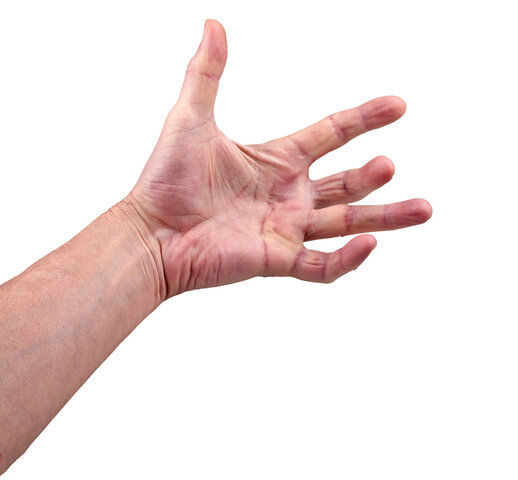
Have you ever experienced a finger that feels stiff, difficult to straighten, or even feels like it "locks" when bent? This condition is known as trigger finger. While it may seem trivial, trigger finger can interfere with daily activities, from gripping objects to typing.
So, what exactly causes a finger to lock? Is this condition dangerous? Read on for the explanation below.
What Is Trigger Finger?
Trigger finger, or stenosing tenosynovitis in medical terms, is a condition where the tendons in the fingers become irritated, making it difficult to move normally. This condition most often occurs in the thumb, middle finger, and ring finger.
In this condition:
- The tendon becomes inflamed or thickened.
- Friction occurs as the tendon moves within its sheath.
- As a result, the finger can feel painful, stiff, or even locked.
Why Do Fingers "Lock"?
Normally, tendons work like ropes and pulleys, moving the finger smoothly. However, with trigger finger:
- The tendon sheath narrows.
- Tendons, like ropes and pulleys, become thickened or inflamed.
- Tendon movement becomes restricted.
When the finger is bent:
- Tendons can get “stagged”
- Fingers have difficulty returning to straightness
- Sometimes you need the help of another hand to straighten it
This condition causes a "locking" sensation or clicking sound when the finger is moved.
Trigger Finger Symptoms to Watch Out For
Some common signs of trigger finger include:
- Stiffness in the fingers, especially in the morning
- Pain when bending or straightening the fingers
- A clicking or "cracking" sound when moving the fingers
- Feeling like the fingers are locked in a certain position
- A small lump at the base of the fingers
- In severe cases, the fingers can become permanently locked.
Causes of Trigger Finger
Trigger finger is generally caused by repetitive or overuse of the hand. The main causes are repetitive, forceful gripping activities (e.g., typing, holding tools, or lifting objects) and long-term repetitive hand movements.
Risk Factors for Trigger Finger
- Office workers or heavy gadget users
- Manual workers (craftsmen, mechanics, etc.)
- Ages 40–60 years, but can also occur at a younger age due to overuse or repetitive movements
- People with diabetes or rheumatoid arthritis
- Women (more common than men).
Is Trigger Finger Dangerous?
In the early stages, trigger finger may only be uncomfortable. However, if left untreated, this condition can:
- Restricts finger movement
- Interferes with daily activities
- Causes permanent finger locking
- Requires further medical intervention.
Tips to Prevent Trigger Finger
Here are some simple steps you can take:
- Avoid excessive hand use without rest.
- Do regular finger stretches.
- Use an ergonomic hand position while working.
- Rest your hands when they start to feel sore.
- Limit prolonged gadget use.
Trigger finger is a condition where the finger feels painful, stiff, and can lock due to tendon damage. Although often considered mild, this condition can worsen if left untreated.
With proper treatment, ranging from simple therapy to medical procedures, finger function can return to normal. If you experience symptoms of trigger finger, don't hesitate to consult an orthopedic doctor.
FAQ
Can trigger finger be cured without surgery?
Yes, in many mild cases, trigger finger can improve with rest, medication, or physiotherapy.
How long does it take to heal trigger finger?
It varies, from a few weeks to several months, depending on the severity and treatment.
Can trigger finger recur?
Yes, especially if the underlying cause, such as repetitive activity, is not controlled.
Contact us
For information and make an appointment

| Loading data... |
|---|