+62 811-1300-9840


Blood Sugar “Roller Coaster” at Iftar: Feeling Sleepy, Weak, or Heart Pounding
27 February 2026
3 min read


By: dr. Dwi Rendra Hadi, Sp.PD
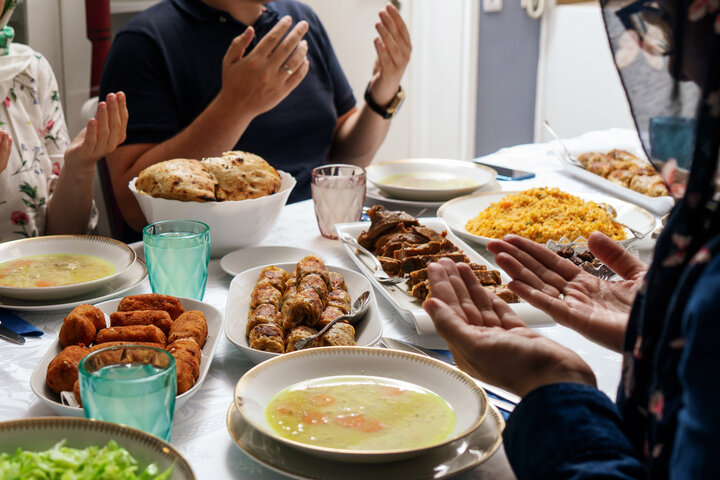
Have you ever felt extremely sleepy, weak, or even experienced heart palpitations after breaking your fast—rather than feeling refreshed? In fact, many people feel hungry again and crave more sweets even after eating a lot at iftar. This phenomenon occurs because of a roller coaster blood sugar pattern, where glucose levels rise and fall rapidly. This condition is more noticeable in people with prediabetes and diabetes, but healthy individuals can also experience it, especially if their iftar habits are not ideal.
Why Do You Feel Sleepy After Iftar?
Certain foods high in simple carbohydrates and sugary drinks containing large amounts of sugar can cause a rapid spike in blood sugar, known as a glucose spike. This sharp rise is followed by a significant drop, which in some cases leads to reactive hypoglycemia (a sudden drop in blood sugar). For some people, the effects may include:
- Sleepiness
- Feeling tired quickly
- Getting hungry again easily
- Heart palpitations
Who Should Be Most Alert?
It’s important to pay attention to the type and portion size of foods consumed to prevent glucose spikes. Certain groups are more prone to experiencing this phenomenon, including:
- Individuals with prediabetes or diabetes
- People who are overweight or have a large waist circumference
- Those with a family history of diabetes
- Those who often experience symptoms after eating sugary or high-carb foods
- People with high blood pressure and high cholesterol
Plate Method: Portions That Keep You More Stable
The principle is to avoid excessive intake of foods and drinks containing simple sugars during iftar. Choose foods that support balanced nutrition. One effective way to understand balanced portions is by using the “plate” concept from the American Diabetes Association:
- ½ plate: non-starchy vegetables
- ¼ plate: lean protein
- ¼ plate: quality carbohydrates such as whole grains, tubers, or measured portions of rice
This method is suitable for iftar and Ramadan dinner because it helps reduce blood sugar spikes. Maintain a healthier eating pattern by prioritizing whole carbohydrates and lean proteins, and increasing vegetable and fruit intake. Limit sugar, salt, fatty foods, fried foods, and avoid sugary or packaged drinks. Prioritize drinking water and choose healthier cooking methods such as boiling, steaming, baking, or sautéing with minimal oil. A healthy eating pattern should be practiced consistently and in balance, without extreme restrictions—what matters most is portion control and food variety.
A Safer Iftar Pattern
- Step 1: Water and a light snack
- Step 2: Prayer and a short rest
- Step 3: Main meal with a balanced plate—start with vegetables, then protein, then carbohydrates
- Step 4: Dessert? Allowed, but in small portions
Special Notes for Diabetes Patients Using Medication/Insulin
Fasting can be challenging for people with diabetes. The risk of low blood sugar or diabetes-related emergencies may increase during fasting. Ramadan diabetes guidelines emphasize the importance of meal planning, glucose monitoring, and therapy adjustments with a doctor. Do not change your medication dosage on your own—consult your doctor before Ramadan to ensure safe fasting and optimal worship.
Complaints of extreme sleepiness, weakness, or heart palpitations after iftar are often not just the effects of feeling full but signs of blood sugar rising and falling too rapidly. Iftar habits high in sugar and fast-absorbing carbohydrates can trigger a blood sugar “roller coaster,” especially in individuals with metabolic risks like prediabetes, diabetes, or excess weight. The good news: this condition can be prevented through simple steps such as adjusting meal order, balancing portions, and avoiding excessive sugar intake during iftar.
References
- Avner S, Robbins T. A Scoping Review of Glucose Spikes in People Without Diabetes: Comparing Insights from Grey Literature and Medical Research. Clin Med Insights Endocrinol Diabetes 2025;18:11795514251381409.
- Jarvis PRE, Cardin JL, Nisevich-Bede PM, McCarter JP. Continuous glucose monitoring in a healthy population: understanding the post-prandial glycemic response in individuals without diabetes mellitus. Metabolism 2023;146.
- American Diabetes Association. Nutrition for Life: Diabetes Plate Method; 2023 [30 January 2026]; Available from: https://professional.diabetes.org/sites/dpro/files/2023-12/plan_your_plate.pdf.
- Mozaffarian D. The 2025-2030 Dietary Guidelines for Americans. JAMA 2026.
Contact Us
For Information and Make an Appointment

| Loading data... |
|---|