+62 811-1300-9840


Knee Joints Making a 'Cracking' Sound? Here Are the Causes and Treatment
31 March 2026
3 min read


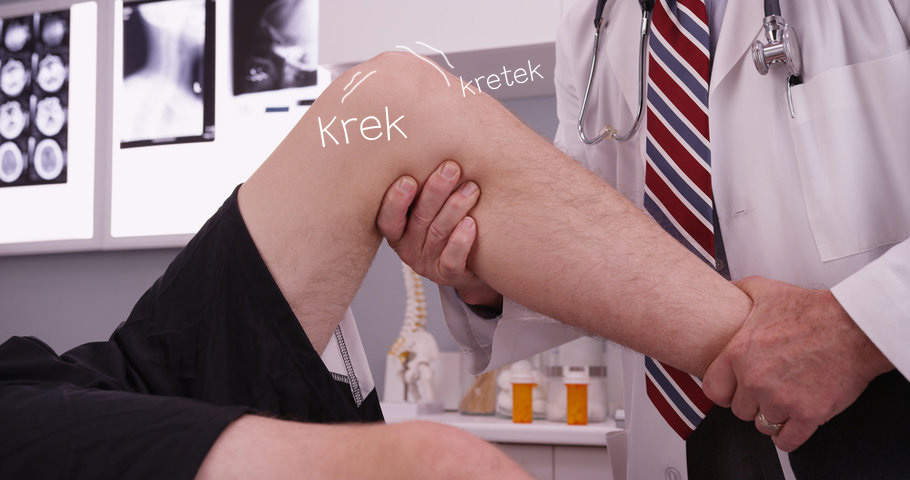
A "cracking" or "clicking" sound in the knee is often worrying. Many people assume this condition is always dangerous or a sign of joint damage. However, not all knee noises indicate a serious condition. However, if accompanied by pain or limited movement, this condition requires medical attention.
What Is a "Cracking" Sound in the Knee Joint?
A "cracking" sound in the knee is medically known as crepitus, a sound that occurs when the joint is moved, such as when walking, squatting, or climbing stairs. This sound can occur without pain, but it can also be accompanied by pain, stiffness, or swelling, depending on the cause.
Causes of Knee Joint Noises
- Gas Bubbles in Joint Fluid
The knee joint contains a lubricating fluid (synovial fluid). When the knee moves, small gas bubbles can burst, causing a popping sound. This is generally harmless and painless. - Bone and Cartilage Friction
Thinning or damage to the cartilage causes the joint surface to become less smooth, resulting in a popping sound when moved. - Osteoarthritis (Joint Calcification)
This is the most common cause in people over 40 years of age.
• Knee popping
• Pain when walking
• Morning stiffness
• Unstable knee sensation - Knee Injuries
Injuries to the ligaments, meniscus, or cartilage from sports or falls can cause popping sounds in the knee, especially when moving. - Stiff Muscles and Ligaments
Lack of physical activity or poor posture can cause stiff muscles around the knee, triggering popping sounds when the joint is moved.
When Should Knee Noises Be Concerned?
Consult a doctor immediately if knee noises are accompanied by:
- Persistent pain
- Swelling
- Knee feels locked or difficult to straighten
- Limited walking
- A popping sound appears after the injury
Treatment for a Knee Joint That Makes a "Cracking" Sound
1. Non-Surgical Treatment
For mild to moderate conditions:
- Rest and activity modification
- Pain relievers and anti-inflammatory medications
- Physiotherapy to strengthen the muscles around the knee
- Maintaining a healthy weight
- Knee stretching and strengthening exercises
2. Surgical Treatment
Surgery is considered if:
- Severe, persistent pain
- Interference with daily activities
- Severe joint or cartilage damage
The type of action will be adjusted to the cause and severity of the condition.
How to Prevent Knee Noise and Pain
- Regularly do light exercise (walking, swimming)
- Warm up before physical activity
- Maintain an ideal body weight
- Avoid sitting or squatting for too long
- Wear comfortable footwear
A "cracking" sound in the knee joint isn't always dangerous, but it can be a sign of joint problems if accompanied by pain or limited mobility. Early evaluation can help prevent worsening and maintain optimal quality of life.
FAQ
Does a knee pop always indicate calcification?
No. A knee pop can be normal, especially if it's not accompanied by pain.
Can a knee pop be cured without surgery?
Yes. Many cases improve with physiotherapy, regular exercise, and lifestyle changes.
Is exercise safe if your knees pop frequently?
It's safe, as long as it doesn't cause pain. Choose low-impact exercises like swimming or cycling.
Contact us
For information and make an appointment

| Loading data... |
|---|