+62 811-1300-9840


Hemorrhoids: Not a Trivial Matter, and Don't Be Ashamed to See a Doctor
21 May 2026
3 min read


By: dr. Arief Poetranto, Sp.BD
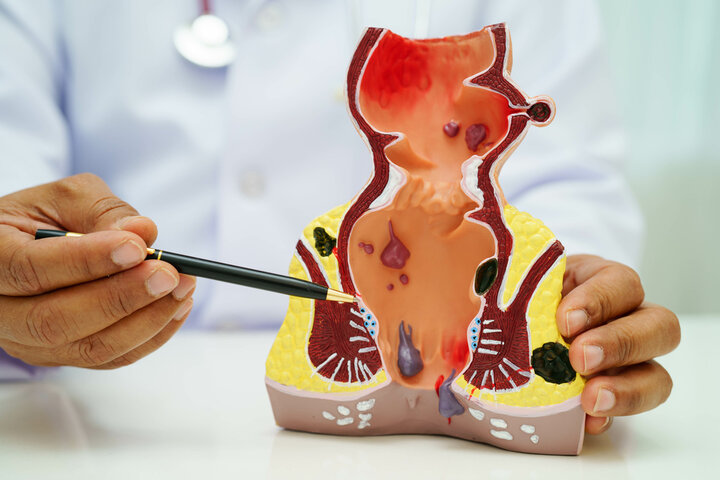
Hemorrhoids are a common digestive disorder, yet many people are embarrassed to see a doctor. However, if left untreated, hemorrhoids can cause pain, bleeding, and even interfere with daily activities.
What Are Hemorrhoids?
Hemorrhoids are swollen veins in the anus or lower rectum. This condition is similar to varicose veins, but occurs around the urethra.
Hemorrhoids can affect anyone, especially adults. While generally harmless, the symptoms they cause can significantly impact comfort and quality of life.
Hemorrhoids are generally divided into two types:
- Internal hemorrhoids: Occur inside the rectum and are usually painless. However, they can cause bleeding during bowel movements.
- External hemorrhoids: Occur outside the anus and usually cause pain, swelling, itching, or a noticeable lump.
What Causes Hemorrhoids?
Hemorrhoids occur due to increased pressure on the blood vessels in the anus and rectum. Several factors that can increase the risk of hemorrhoids include:
- Frequent straining during bowel movements
- Chronic constipation
- Sitting for too long, especially on the toilet
- Lack of fiber intake
- Pregnancy
- Obesity
- Lifting excessively heavy objects
- Prolonged diarrhea
- Increasing age
Hemorrhoid Symptoms to Watch Out For
Hemorrhoid symptoms can vary from person to person, depending on the severity. Some common signs include:
- Bloody stools with bright red blood
- Lumps around the anus
- Pain or discomfort when sitting
- Itching in the anal area
- Mucus discharge after a bowel movement
- A sensation of fullness or obstruction in the anus
Are Hemorrhoids Dangerous?
In mild cases, hemorrhoids usually improve with lifestyle changes and simple treatments. However, if left untreated, hemorrhoids can lead to complications such as:
- Anemia due to chronic bleeding
- Hemorrhoids prolapse or prolapse of the anus
- Blood clots in the hemorrhoid (thrombosis)
- Severe pain and infection
Moreover, bleeding during bowel movements is not always caused by hemorrhoids; this condition can also be a sign of other, more serious diseases such as polyps or colon cancer.
How to Prevent Hemorrhoids
Hemorrhoids can be prevented by adopting a healthy lifestyle, such as:
- Eat fiber-rich foods
- Drink enough water every day
- Move regularly and exercise
- Avoid straining during bowel movements
- Don't sit for too long
- Maintain an ideal body weight
Many people still delay seeking treatment because they feel embarrassed to discuss their anal complaints. However, proper treatment can help relieve symptoms and prevent the condition from worsening.
FAQ
Can hemorrhoids be cured without surgery?
Yes, mild hemorrhoids can generally improve with lifestyle changes, fiber intake, and proper treatment.
Does bloody stools necessarily indicate hemorrhoids?
Not always. Bloody stools can also be caused by other conditions such as anal fissures, colon polyps, and even colon cancer.
Can sitting for too long cause hemorrhoids?
Yes. Prolonged sitting can increase pressure on the blood vessels in the anal area, triggering hemorrhoids.
Contact us
For information and make an appointment

| Loading data... |
|---|