+62 811-1300-9840


Varicose Veins: Causes, Symptoms, and Proper Treatment
28 April 2026
3 min read


By: Dr. dr. Raden Suhartono, Sp.B, Subsp.BVE(K)
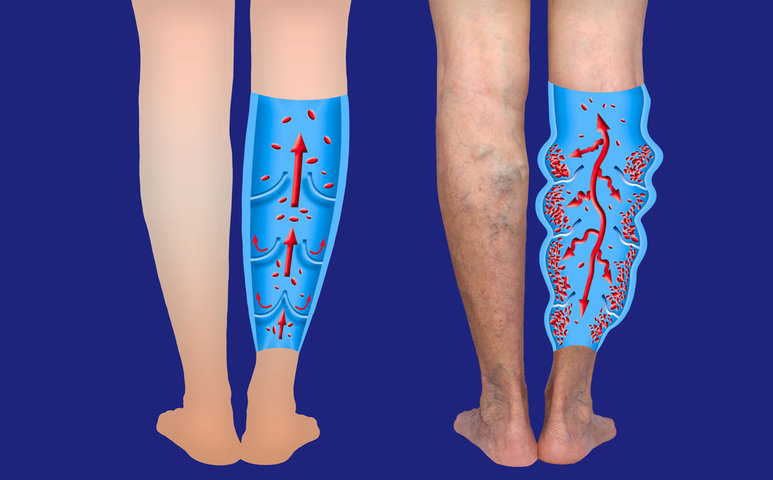
Varicose veins are a condition where the veins dilate and appear prominent on the surface of the skin. This condition most often occurs in the legs and is often considered merely a cosmetic issue. However, varicose veins can cause various symptoms that disrupt daily activities if not properly treated. Varicose veins can affect anyone, with a higher prevalence in women, especially adults with specific activities. Early recognition of varicose veins is crucial for appropriate treatment, which leads to better outcomes.
What Are Varicose Veins?
Varicose veins occur due to problems with the venous valves. Normally, venous valves help keep blood flowing back toward the heart. When these valves weaken or are damaged, blood can back up and accumulate, causing the veins to widen and bulge, accompanied by increased pressure, which can cause symptoms.
Symptoms of Varicose Veins
Symptoms of varicose veins can vary from person to person. In the early stages, varicose veins may not cause any symptoms. They are divided into two categories: symptoms and signs.
Symptoms:
- Soreness, heaviness, or pain in the legs
- Leg cramps, especially at night
- Discomfort after prolonged standing
Sign:
- Prominent and tortuous veins
- Swelling, especially in the ankles
- Skin discoloration and slow-healing wounds.
Causes and Risk Factors for Varicose Veins
Several factors can increase the risk of developing varicose veins, including:
- Standing or sitting for too long
- Aging
- Family history of varicose veins / hereditary factors
- Pregnancy
- Being overweight
- Lack of physical activity
Varicose Vein Treatment
Treatment for varicose veins depends on the severity and symptoms experienced. Treatment options include:
1. Lifestyle Changes
In mild varicose veins, doctors usually recommend several simple steps such as:
- Avoid standing or sitting for too long.
- Elevate your legs when resting.
- Regularly do light exercise.
- Maintain an ideal body weight.
2. Use of Compression Stockings
Stoking kompresi membantu meningkatkan aliran darah dari kaki ke jantung dan dapat mengurangi keluhan seperti pegal dan bengkak.
3. Medical Treatment
If symptoms do not improve with conservative treatment, the doctor may recommend medical treatment based on the patient's condition. The choice of treatment is made after a thorough examination. Currently, minimally invasive therapies such as laser, radiofrequency, microwave, or glue have been discovered.
Varicose veins are not only a cosmetic issue but can also impact comfort and quality of life. By understanding the causes, symptoms, and appropriate treatment options, varicose veins can be treated early and effectively, resulting in better outcomes. Consulting with a doctor is an important step in obtaining appropriate treatment for each individual's condition.
FAQ
Are varicose veins dangerous?
Not all varicose veins are dangerous. In mild cases, varicose veins may only cause minor discomfort or cosmetic issues. However, if left untreated, varicose veins can cause pain, swelling, skin discoloration, and even slow-healing wounds that can affect quality of life.
What are the main causes of varicose veins?
Varicose veins occur due to malfunctioning vein valves. Several factors that increase the risk of varicose veins include prolonged standing or sitting, increasing age, pregnancy, being overweight, and heredity.
Who is at risk for varicose veins?
Varicose veins can affect anyone, but they are more common in adults, women, pregnant women, people who engage in prolonged standing activities, and those with a family history of varicose veins.
Contact us
For information and make an appointment

Dr. dr. Raden Suhartono, Sp.B, SubSp.BVE (K)
Vascular and Endovascular Surgery View Schedule| Loading data... |
|---|