+62 811-1300-9840


Understanding Scoliosis: Causes, Symptoms, and Treatment
21 October 2026
4 min read


By: dr. Damiartha Simorangkir, Sp.OT - Orthopedic and Traumatology Specialist
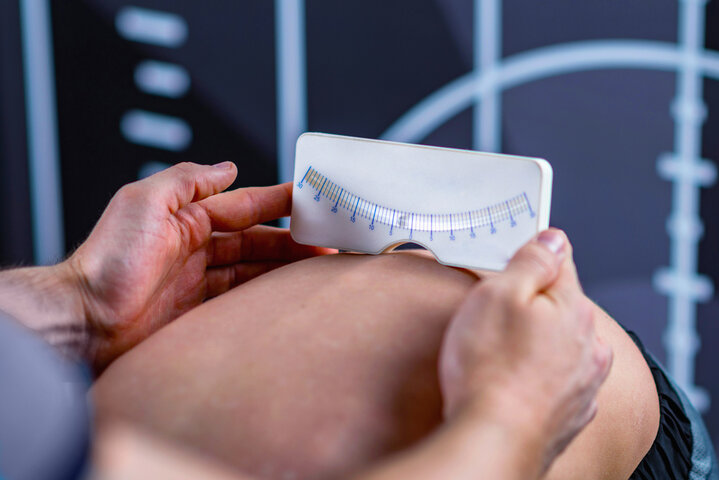
Have you ever noticed someone whose shoulders are uneven, whose waist appears higher on one side, or whose body seems to lean to one side? These signs could indicate scoliosis—a spinal deformity that often goes unnoticed in its early stages.
Scoliosis can affect anyone, from children to adults. It is characterized by a sideways curvature of the spine, which may resemble the shape of a "C" or an "S." For some, scoliosis causes no significant issues; however, in certain cases, the curvature can progress, leading to complications that require medical intervention.
Therefore, it is important to understand the causes, symptoms, and treatment options for scoliosis so that the condition can be properly assessed and managed as needed.
What Is Scoliosis?
Scoliosis is a spinal deformity defined by an abnormal sideways curvature, which may also involve a rotation or twisting of the spine. When viewed from behind, this curvature can look like the letter "C" or "S."
This condition can affect individuals of any age or gender. Because scoliosis often develops gradually without clear symptoms, it may only be discovered once changes in posture become noticeable.
The severity of scoliosis varies from person to person. Some cases may only require periodic monitoring, while others may necessitate further treatment to prevent the curvature from worsening and to address any associated symptoms.
What Causes Scoliosis?
The causes of scoliosis vary depending on the type and the underlying condition. Factors associated with scoliosis include:
- Congenital factors: Congenital scoliosis occurs due to abnormal development of the spine while in the womb.
- Genetic factors: A family history may be linked to an individual's risk of developing scoliosis, although not everyone with a family member who has scoliosis will develop the condition themselves.
- Aging process: In adults, degenerative changes in the spine that occur with age can lead to degenerative scoliosis.
- Neuromuscular disorders: Conditions that affect nerve and muscle function can impair the body's ability to support the spine, contributing to the development of an abnormal curvature.
- Spinal infections or injuries: Certain conditions affecting the structure of the spine such as infections or injuries can be associated with spinal deformities.
- Idiopathic scoliosis: Idiopathic scoliosis is the most common type. The term "idiopathic" means that the exact cause is unknown. This type is frequently observed in children and adolescents during periods of growth.
It is important to note that not all cases of scoliosis can be prevented. While efforts to maintain spinal health through physical activity and healthy lifestyle habits are beneficial, they do not guarantee that a person will avoid developing scoliosis.
Recognizing the Symptoms of Scoliosis
Scoliosis can develop without any obvious complaints. In some individuals, the initial signs may only become apparent through changes in the body's shape or balance.
Some symptoms to look out for include:
- The body appears tilted, whether standing or walking.
- The shoulders or waist are misaligned, with one side appearing higher than the other.
- One side of the back is more prominent, especially when the body bends forward.
- Uneven hip positioning, causing the body to appear asymmetrical.
- Back pain, which may occur in some individuals—particularly in adults with certain specific conditions.
- Changes in gait (walking pattern), especially if the spinal deformity affects balance or nerve function.
In severe cases of scoliosis, the condition may be accompanied by neurological disturbances, such as tingling or numbness. In certain instances, a severe curvature can also affect respiratory function, leading to shortness of breath.
These symptoms do not necessarily indicate scoliosis. A medical examination is required to determine the underlying cause and to ascertain whether there is an abnormality in the spine.
How Is Scoliosis Diagnosed?
The diagnosis of scoliosis involves a medical examination to assess the shape, balance, and condition of the spine.
A doctor may examine the symmetry of the shoulders, shoulder blades, waist, and hips. One method used is the "Adams Forward Bend Test," in which the patient is asked to bend forward to see if any part of the back appears more prominent.
If signs suggestive of scoliosis are found, the doctor may recommend an X-ray to confirm the diagnosis and measure the degree of spinal curvature.
The results of these examinations help the doctor determine the severity of the scoliosis, assess the likelihood of its progression, and select an appropriate treatment plan for the patient.
How Is Scoliosis Treated?
The treatment for scoliosis is determined based on the degree of the curvature, the patient's age, the amount of remaining growth, the progression of the condition, and any accompanying symptoms.
Several treatment options that a doctor might recommend include:
- Periodic observation and monitoring: For cases of scoliosis with a mild curve that shows no significant progression, a doctor may recommend periodic monitoring. Check-ups are conducted to determine whether the curve remains stable or undergoes any changes.
- Use of a brace: For children or adolescents who are still growing, the use of a spinal brace may be considered if there is a risk that the curve will worsen. The primary goal is to help control the progression of the curve, rather than to guarantee that the spine will return to a completely straight position.
- Scoliosis corrective surgery: In cases of scoliosis involving a severe curve, continued progression, or specific conditions that affect bodily function, a doctor may consider corrective surgery. The decision to proceed with surgery is based on a thorough evaluation of the patient's condition, the degree of the curve, potential complications, and the benefits and risks of the procedure.
Not everyone with scoliosis requires surgery. Therefore, an examination and consultation with an orthopaedic and traumatology specialist are essential to determine the appropriate treatment option.
Can Scoliosis Be Prevented?
Not all types of scoliosis can be prevented—particularly those linked to genetic factors, congenital abnormalities, or causes that remain unknown.
Nevertheless, maintaining physical fitness through regular exercise can help support the health of your muscles and spine. Physical activity is also beneficial for maintaining overall bodily function.
For children with a family history of scoliosis or those showing changes in their posture, medical screenings may be considered to detect potential abnormalities at an early stage.
It is important to remember that exercise does not guarantee the prevention of scoliosis and cannot replace medical examinations. If you notice any concerning signs, consult a doctor so that the condition can be further evaluated.
FAQ (Frequently Asked Questions)
Can scoliosis affect people of all ages?
Yes. Scoliosis can occur in children, adolescents, and adults. Its causes and characteristics may vary depending on the individual's age and any underlying conditions.
What are the early signs of scoliosis to look out for?
Early visible signs include uneven shoulders or waist, one side of the back appearing more prominent, or the body appearing tilted. However, these signs alone are not sufficient to confirm a diagnosis of scoliosis.
Does scoliosis always cause back pain?
No. Some people with scoliosis do not experience any pain. In certain cases—particularly in adults with degenerative spinal changes—scoliosis may be accompanied by pain or other symptoms.
Do all people with scoliosis require surgery?
No. The management of scoliosis depends on the severity and progression of the spinal curvature. Some patients may only require periodic monitoring, while others might need a brace or surgery, as recommended by a physician.
Can scoliosis be prevented through exercise?
Regular exercise helps maintain the health of muscles and the spine, but it cannot prevent all types of scoliosis. Prevention depends on the underlying cause, and any suspected case of scoliosis should be evaluated by a doctor.
When should you see a doctor?
A medical evaluation is recommended if you notice changes in your posture, such as uneven shoulders or hips, a prominent area on one side of the back, or a tilted body. If you experience weakness in your limbs, new difficulties with walking, or issues with bowel or bladder control, seek medical attention immediately.
Recognize the Signs of Scoliosis and Seek Appropriate Care
Scoliosis is a spinal deformity that can affect individuals of any age, with varying degrees of severity. In the early stages, the condition may not present any symptoms, making it important to pay close attention to any changes in your posture. Although not all cases can be prevented, early detection and proper examination can help doctors assess the condition of the spine and determine an appropriate course of treatment.
If you or your child exhibit signs suggestive of scoliosis, do not hesitate to consult with an orthopedics and traumatology specialist at RS Premier Jatinegara to receive an evaluation and treatment recommendations tailored to the specific condition.
Contact us
For information and make an appointment

| Loading data... |
|---|